
Specialty
Basement & Foundation Waterproofing in Chicagoland
Interior and exterior systems, drainage, sealing, and moisture control — starting with finding out where the water is actually coming from.
Chicagoland is close to ideal conditions for a wet basement: dense clay that holds water against foundation walls instead of letting it drain away, a high water table across much of the metro area, a freeze-thaw cycle that opens hairline cracks a little wider every year, and a large stock of older homes whose original drain tile has long since silted up or collapsed. If your basement smells musty in August, blooms white efflorescence on the walls, or takes on an inch of water every time it rains hard, it is not bad luck. It is a specific failure, and it has a specific fix.
We waterproof basements and foundations across the greater Chicagoland area, and the first thing we do is work out which problem you actually have — because the answer determines whether the right system is interior or exterior, and a contractor who only sells one of them will only ever find the one they sell. Seepage through a crack in a poured wall is a different job from hydrostatic pressure pushing up at the cove joint, which is different again from surface water arriving because the grading falls toward the house and a downspout discharges next to it. We do exterior excavation and membrane work, interior drain tile and sump systems, crack injection, sealing, and the unglamorous grading and downspout corrections that sometimes solve the whole thing for a fraction of the cost.
Waterproofing work we do
- Diagnosis firstWorking out the actual water path — seepage, hydrostatic pressure, surface water, or plumbing — before recommending a system.
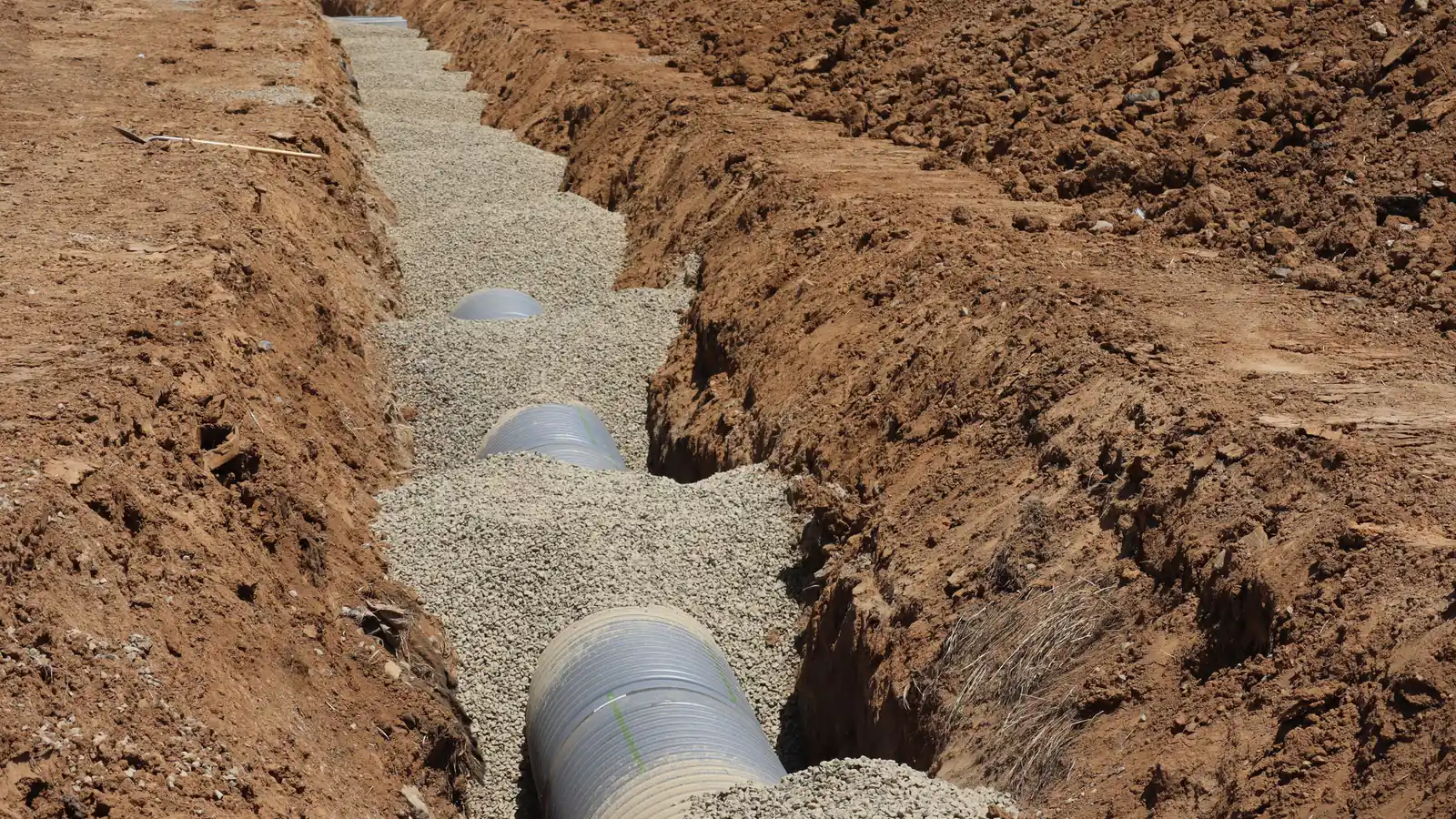
- Interior drain tile systemsPerimeter drain line set in stone below slab level, tied to a sump, with the floor restored over it.
- Sump pits and pumpsPit, pump, check valve, and a discharge line that takes water far enough from the house not to return.
- Exterior excavation and membraneDigging to the footing, cleaning and sealing the wall, and applying membrane with drainage board where exterior work is the right answer.
- Footing drains and stonePerforated drain line in clean stone with filter fabric at the footing, with a real outlet rather than a dead end.
- Crack injection and repairInjecting poured-wall cracks and sealing them so they stop passing water.
- Window wells and entry pointsDrained window wells, covers, and sealing around pipe and service penetrations.
- Grading and downspout correctionRe-pitching the ground away from the house and extending downspout discharge — the cheapest fix there is, when it is the right one.
How it works
How we approach a wet basement
- 01
Find the water path
Where does it appear, when does it appear, and what is happening outside when it does? Walls, cove joint, floor cracks, window wells, grading, and downspouts all get looked at before anything is quoted.
- 02
Recommend the smallest fix that works
If regrading and moving two downspouts solves it, that is what we will tell you — even though it is a much smaller job than the alternative.
- 03
Install the system
Interior: cut the slab perimeter, set drain line in stone, connect to sump, restore concrete. Exterior: excavate to footing, clean and seal the wall, membrane and drainage board, footing drain, backfill in lifts.
- 04
Give the water somewhere to go
A drainage system is only as good as its discharge. Sump lines and footing drains get routed to an outlet that works in February as well as June.
- 05
Restore and test
Concrete patched back, site regraded and cleaned, pump and discharge tested, and you get shown how the system works and what to check.
Why it matters
What changes afterwards
A basement you can use
Dry floor, no musty smell, and storage or finished space you do not have to think about every time it rains.
The structure protected
Persistent water against a foundation degrades it. Getting it away from the wall is structural maintenance, not decoration.
Diagnosis, not a product pitch
We install interior and exterior systems both, which means we have no reason to tell you that the one we sell happens to be the one you need.
Ready for a finished basement
Solving water first is what makes a new slab, flooring, or an epoxy coating a sound investment instead of a gamble.
Waterproofing
Questions we get asked
It depends on how water is getting in. Exterior work stops water at the wall before it enters and is usually the more thorough answer, but it means excavating around the foundation, which is disruptive and not always possible on a tight Chicago lot. Interior drain tile manages water that has already reached the footing and routes it to a sump, and it can be installed without touching the outside of the house. Some situations genuinely need both. The site visit is what decides it.
Yes, and it is often the most fixable kind. Water arriving only during heavy rain frequently points to surface water — grading that falls toward the house, downspouts discharging at the foundation, or a window well with no drainage — rather than groundwater. Those are the cheapest problems in this trade to solve, which is exactly why they are worth ruling out first.
Efflorescence — mineral salts left behind as moisture passes through the masonry and evaporates. It is not itself damaging, but it is direct evidence that water is moving through the wall, and it tells you something is worth investigating even if you have never seen standing water.
Yes, and that is the correct order. Drainage and waterproofing go in first, the slab goes over the top, and any flooring or epoxy coating goes on last. Doing it the other way round means breaking up a floor you have just paid for.
Free Estimates
Get a free waterproofing estimate
Call or text (213) 779-2889 and describe the job. We will come out, look at it properly, and give you a number — free, with nothing attached to it.
Other Services
What else we can take on while we are there
These are the jobs that most often come up alongside this one.
Basement Concrete & Floors
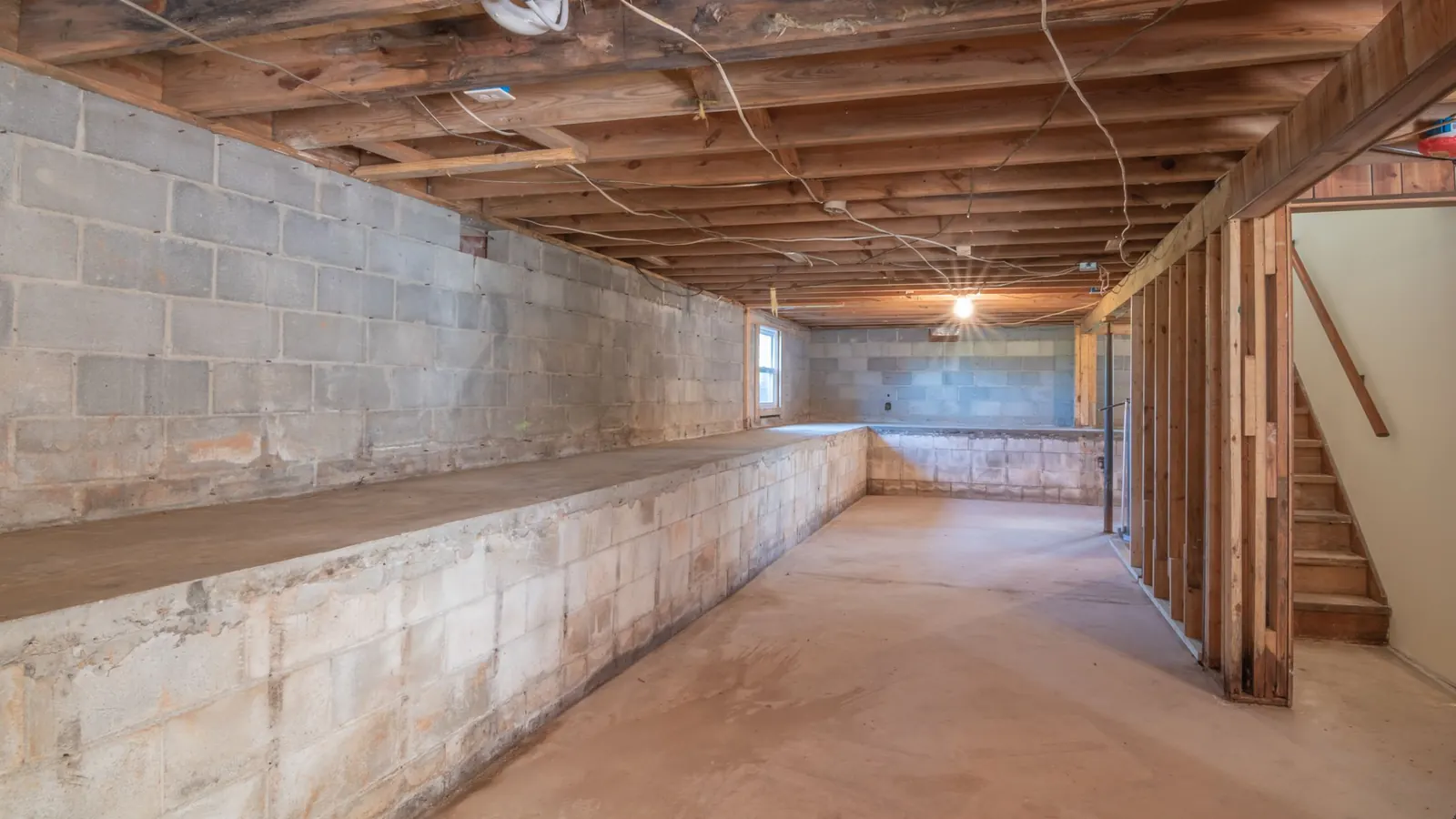
Basement slabs, pours, leveling, and repair — and the drainage detail underneath them.
View details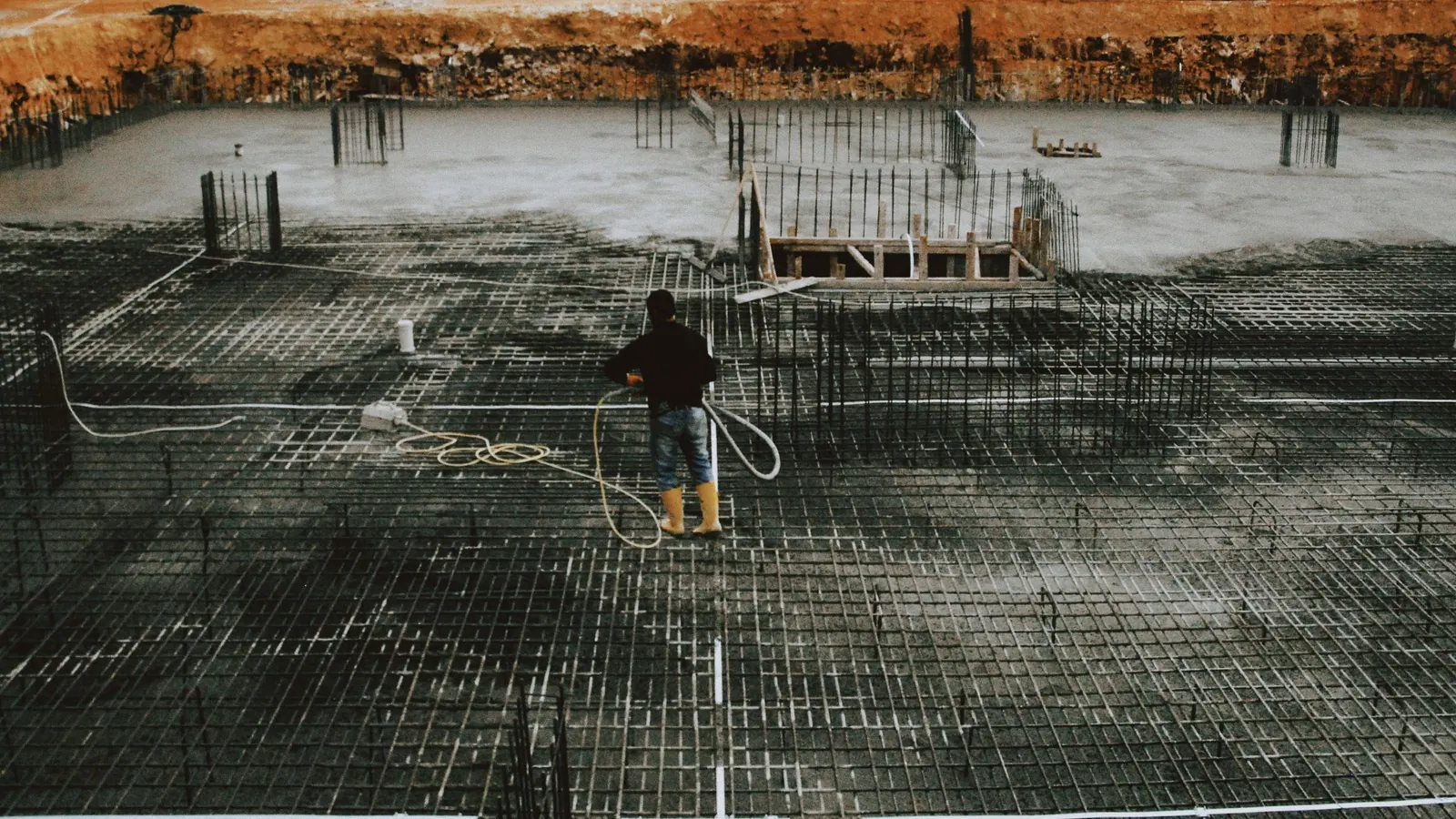
Concrete Foundations
Poured foundations and footings for homes, additions, garages, sheds, and new builds.
View details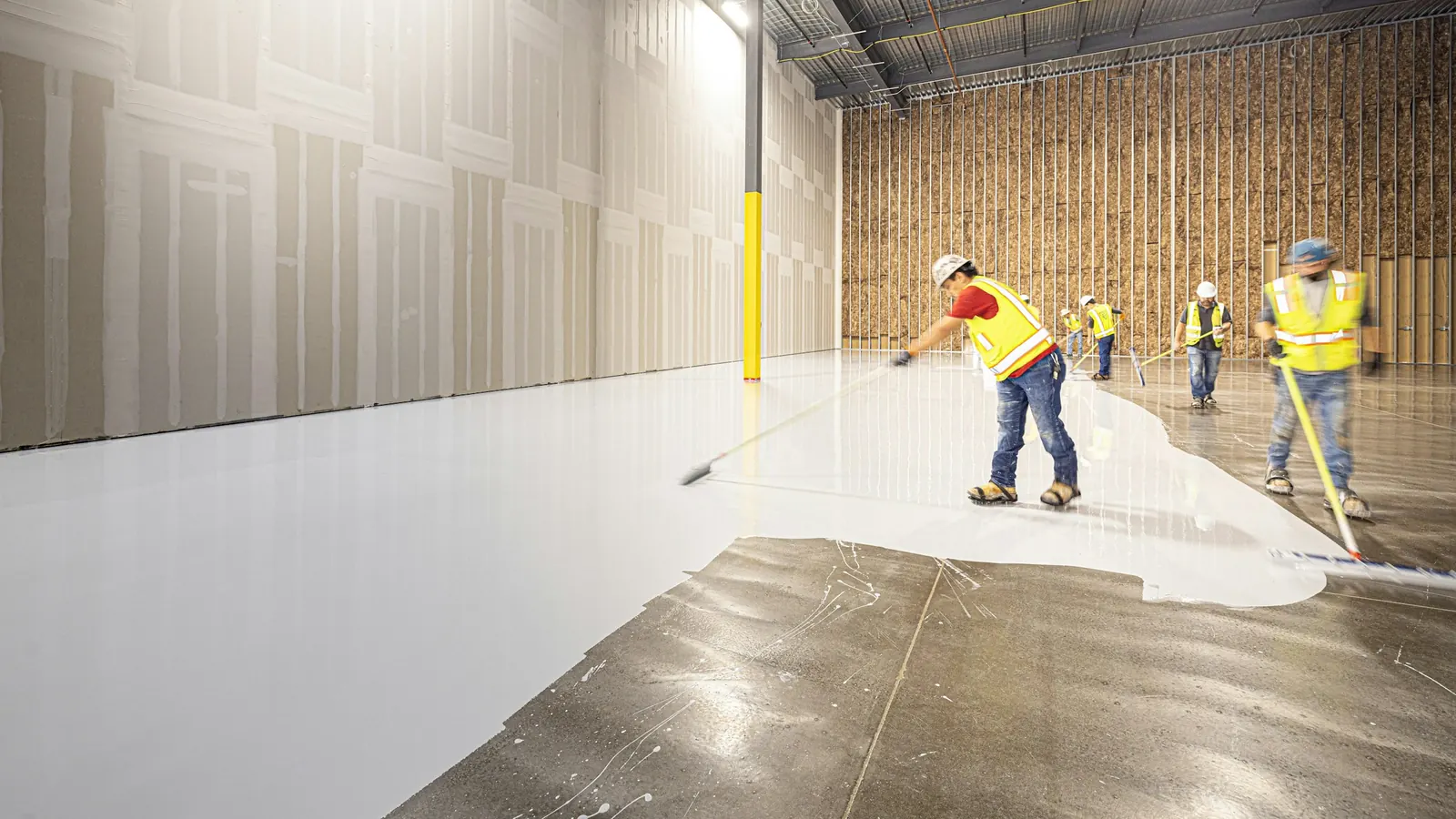
Epoxy Floor Coatings
Seamless epoxy and resinous coatings for garages, basements, warehouses, and showrooms.
View details