
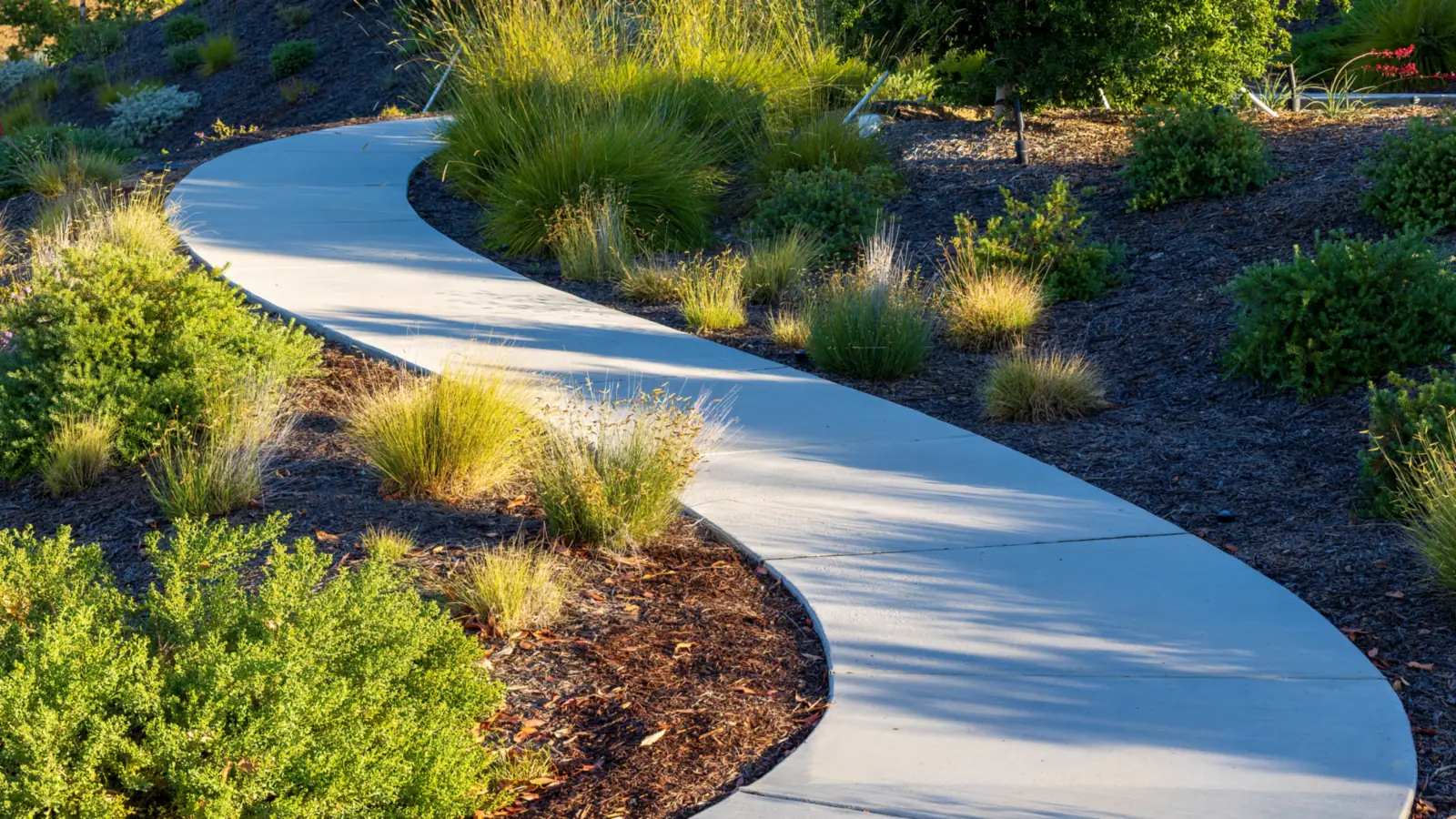
Concrete
Concrete Walkways & Sidewalks in Chicagoland
New walks poured properly, and tired ones taken out and replaced — for homes, businesses, and property managers across Chicago and the suburbs.
A concrete walkway in Chicago does not fail because concrete is weak. It fails because of what is underneath it and what happens to it every February. Water gets into the sub-base, freezes, lifts the slab, and thaws again — dozens of times a winter — and a walk that was poured thin, over loose fill, or without joints in the right places starts to crack, heave at the seams, and settle at one end. Add road salt, which attacks the surface paste directly, and a badly built walk can look ten years old after three.
We pour new concrete walkways and sidewalks, and we take out and replace the ones that are past repairing, for homeowners and commercial property managers across the greater Chicagoland area. That means front walks and side paths, runs connecting a driveway to a patio or garage, and the public-facing sidewalks a business is responsible for keeping safe. The finish is your call — a standard broom finish for winter traction, a smooth troweled surface, or a decorative stamped or exposed-aggregate look where the walk is part of the landscaping.
What a walkway job includes
- New walkway and sidewalk poursFront walks, side paths, connecting runs, and commercial sidewalk sections, formed to the width and line you want.
- Tear-out and replacementDemolition and haul-away of cracked, heaved, spalled, or settled slabs, down to clean sub-grade.
- Base and sub-base preparationExcavation, grading, and compaction of a proper aggregate base — the part that decides whether the slab moves.
- Correct jointingControl joints and expansion joints placed and cut so the slab cracks where we want it to, not across the middle.
- Broom, smooth, and decorative finishesBroom texture for grip on ice, hard-troweled smooth, or stamped and exposed-aggregate finishes.
- Steps, landings, and thresholdsWhere a walk changes level, poured steps and landings tied into the run so there is no lip to catch a toe.
- Accessible commercial walksWidths, running slopes, cross slopes, and flush transitions kept within accessible tolerances where the job calls for it.
- Drainage and pitchThe whole run pitched so meltwater leaves the slab and runs away from the building instead of pooling on it.
How it works
How we do a walkway
- 01
Walk the site with you
We measure the run and work out why the existing walk failed — soft base, bad drainage, tree roots, salt damage, or simply age. That decides what the new one needs.
- 02
Demo and haul away
The old slab comes out and leaves with us. Nothing gets buried under the new pour to settle later.
- 03
Build the base
Excavate to depth, grade to the pitch we want, lay compactible aggregate, and compact it in lifts. This is the step that gets skipped on cheap jobs.
- 04
Form and reinforce
Forms set to line and grade, with reinforcement where thickness, span, or vehicle crossings call for it.
- 05
Pour and finish
Place, screed, float, edge, and apply the finish you picked. Joints go in while the slab is still workable.
- 06
Cure and clean
Protect the fresh surface, cut or tool the joints, strip forms, and leave the site clean. You get clear timings for foot traffic.
Why it matters
Why it lasts
Built for freeze-thaw
Compacted base, correct thickness and joint spacing — the three things that decide whether a Chicago winter moves your slab.
Grip when it counts
A broom finish gives real traction on an icy January morning. Smooth-troweled concrete outside does not.
Trip hazards gone
Lifted joints and settled panels are the single most common slip-and-fall complaint on commercial frontage. Replacing them removes the exposure.
Water sent away from the building
A walk pitched back toward the foundation feeds the exact problem our waterproofing crew gets called out for.
Concrete Walkways & Sidewalks
Questions we get asked
Normal foot traffic is usually fine after about a day, depending on the mix and the weather, but concrete keeps gaining strength for roughly a month afterwards. Keep vehicles, heavy loads, and de-icing salt off it for as long as we tell you on the day — salt on a first-winter slab is the fastest way to ruin a new surface.
Not exactly, and anyone who promises otherwise is guessing. Concrete color depends on the cement, the sand and stone in the mix, how it was finished, and how many years of weather and salt it has seen. We can get close on finish and texture, and in most cases the honest answer is that replacing a full panel between joints looks far better than patching part of one.
Yes — stamped patterns, exposed aggregate, and integral color are all options on a walkway. They cost more than a broom finish and they want a little more care over the winter, so we will tell you honestly whether the spot you have in mind is a good candidate.
Spring through fall is the easy window. Cold-weather pours are possible with mix adjustments, blankets, and protection, but there is a point in the winter where the right answer is to wait rather than pour something that will not cure properly. We will tell you which side of that line your job falls on.
Free Estimates
Get a free concrete walkways & sidewalks estimate
Call or text (213) 779-2889 and describe the job. We will come out, look at it properly, and give you a number — free, with nothing attached to it.
Other Services
What else we can take on while we are there
These are the jobs that most often come up alongside this one.
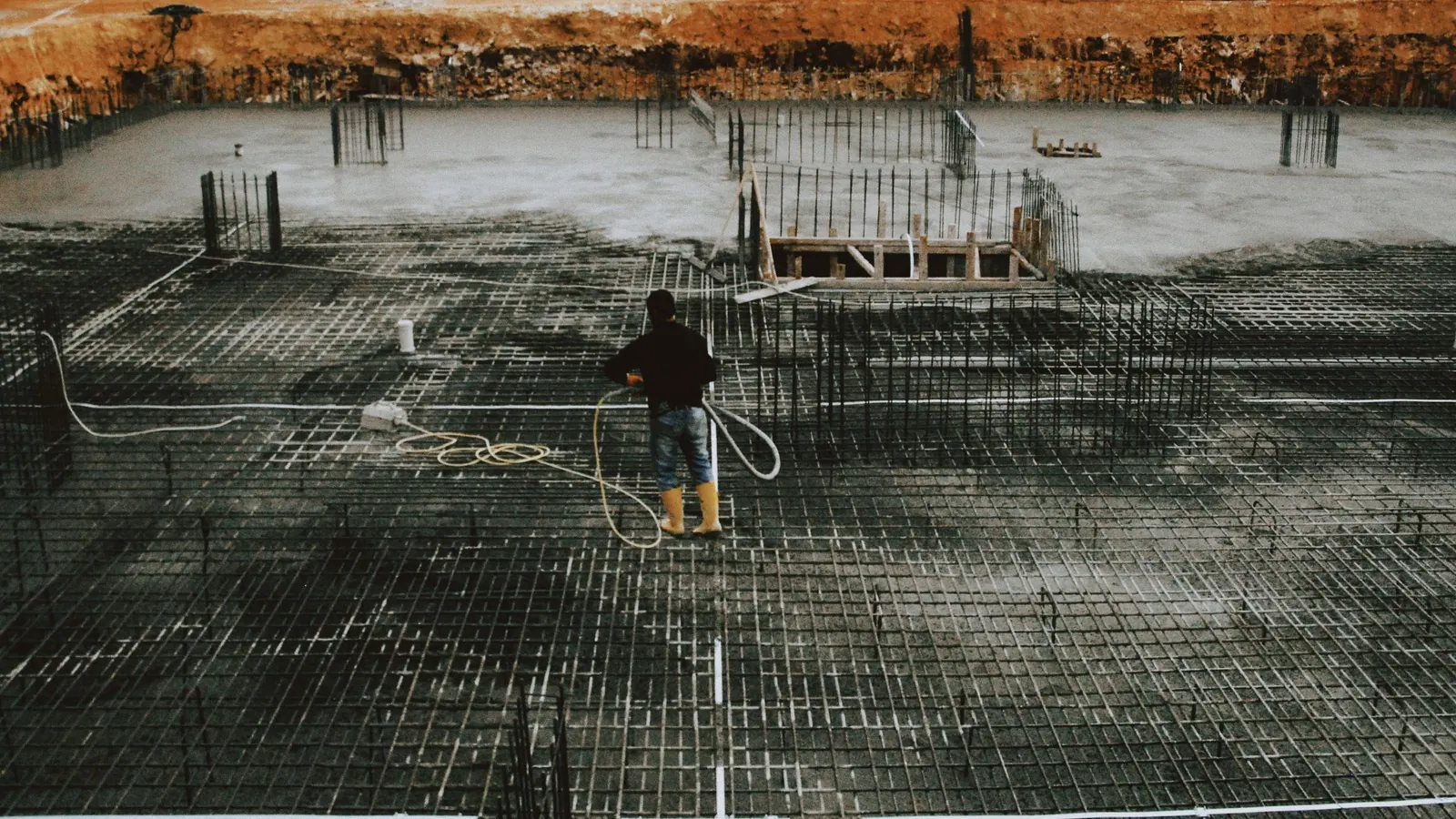
Concrete Foundations
Poured foundations and footings for homes, additions, garages, sheds, and new builds.
View details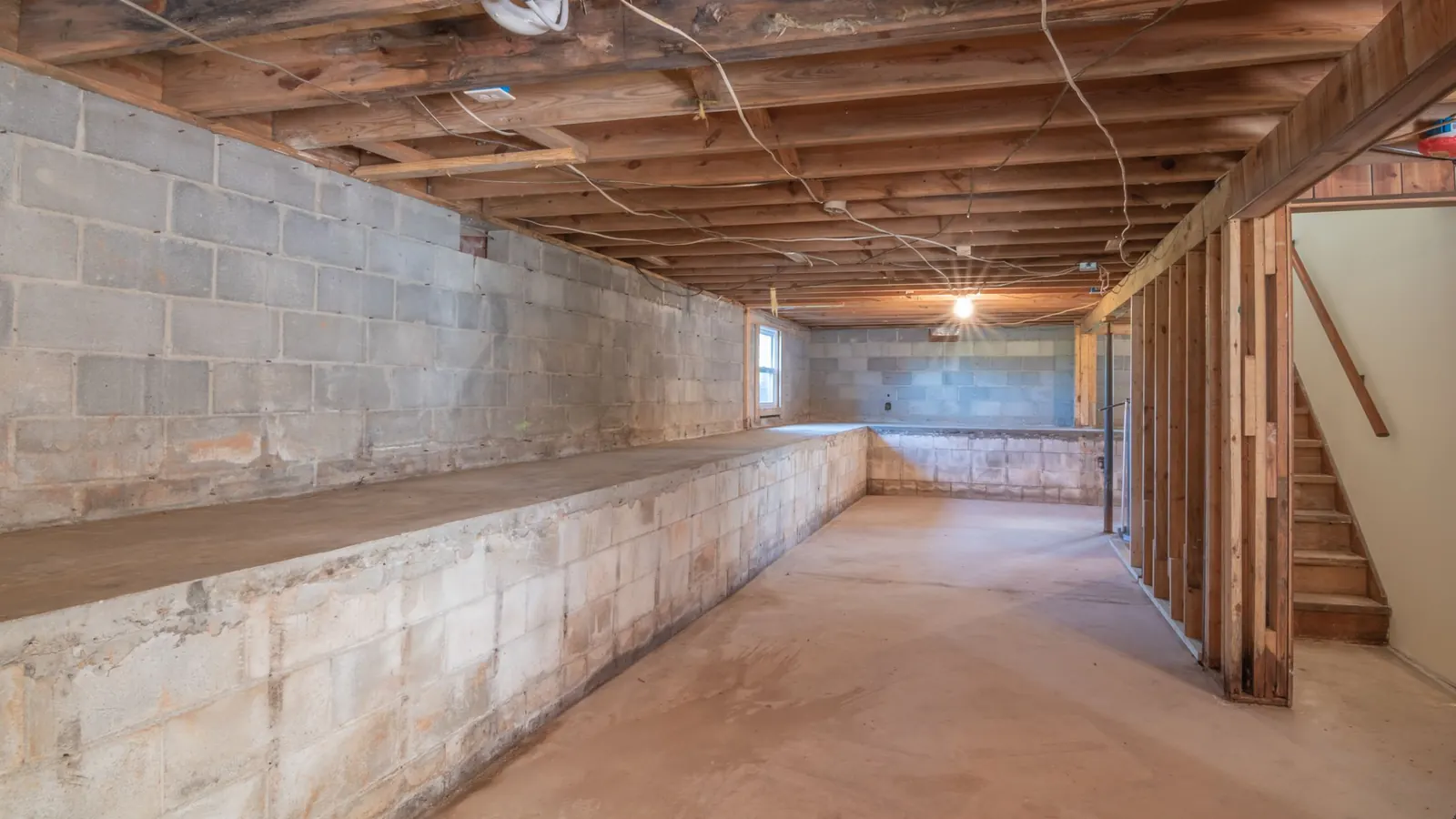
Basement Concrete & Floors
Basement slabs, pours, leveling, and repair — and the drainage detail underneath them.
View details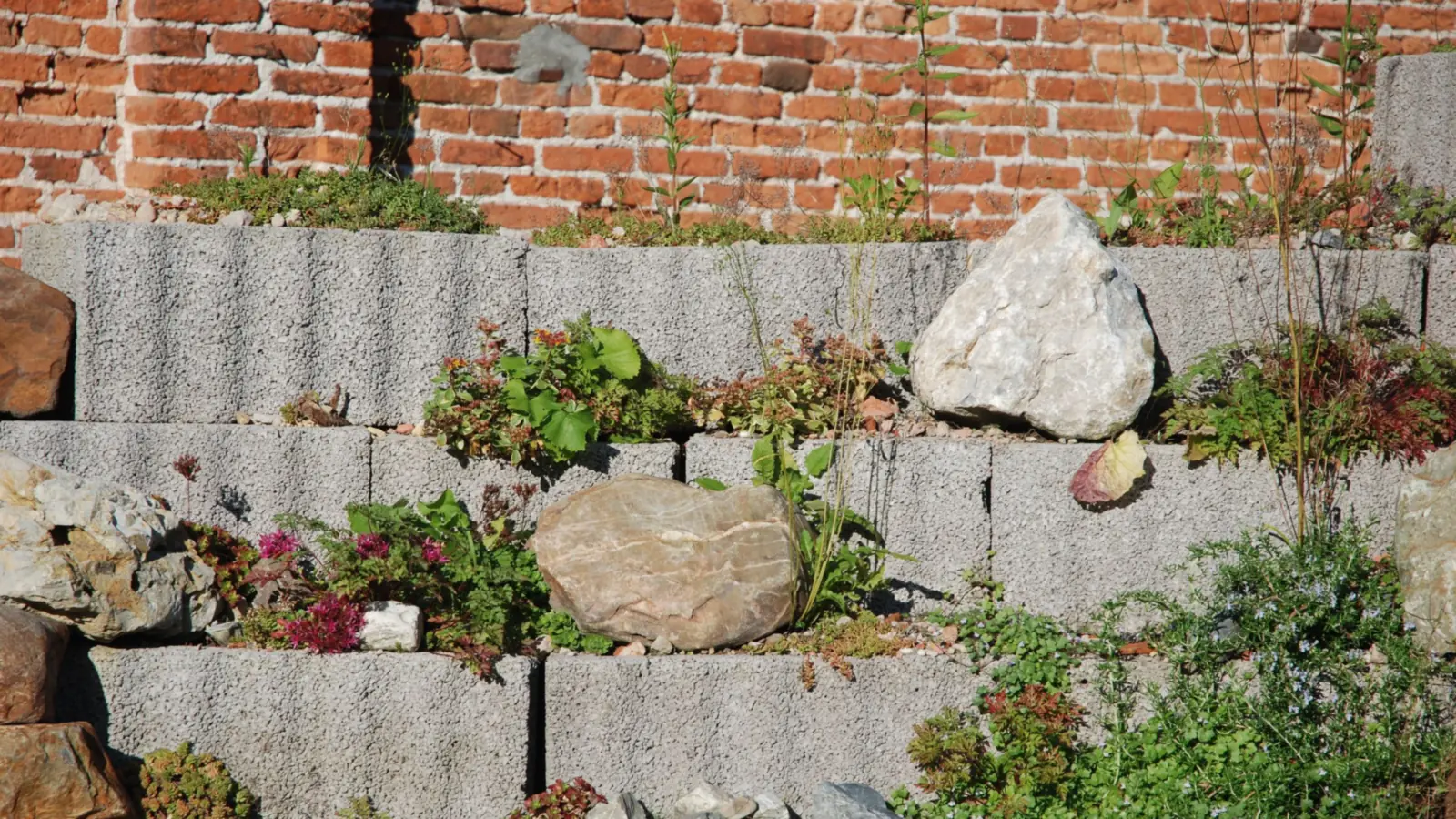
Retaining Walls
Concrete and block walls that hold a grade, stop erosion, and drain properly.
View details