Asphalt & Paving
Asphalt Paving in Chicagoland
New asphalt, resurfacing, and repair for driveways, lots, and private roadways — with the grading and compaction that decide how long it lasts.
Asphalt is the right surface for a lot of Chicagoland driveways and private roads: it goes down fast, it handles the region's ground movement better than a rigid slab because it flexes, and it can be resurfaced later instead of replaced. What it does not tolerate is a weak base or standing water. Almost every alligatored, potholed, crumbling-edge driveway in the metro area is telling the same story — the aggregate base underneath was too thin, was never properly compacted, or has been saturated for years because the surface was never graded to drain.
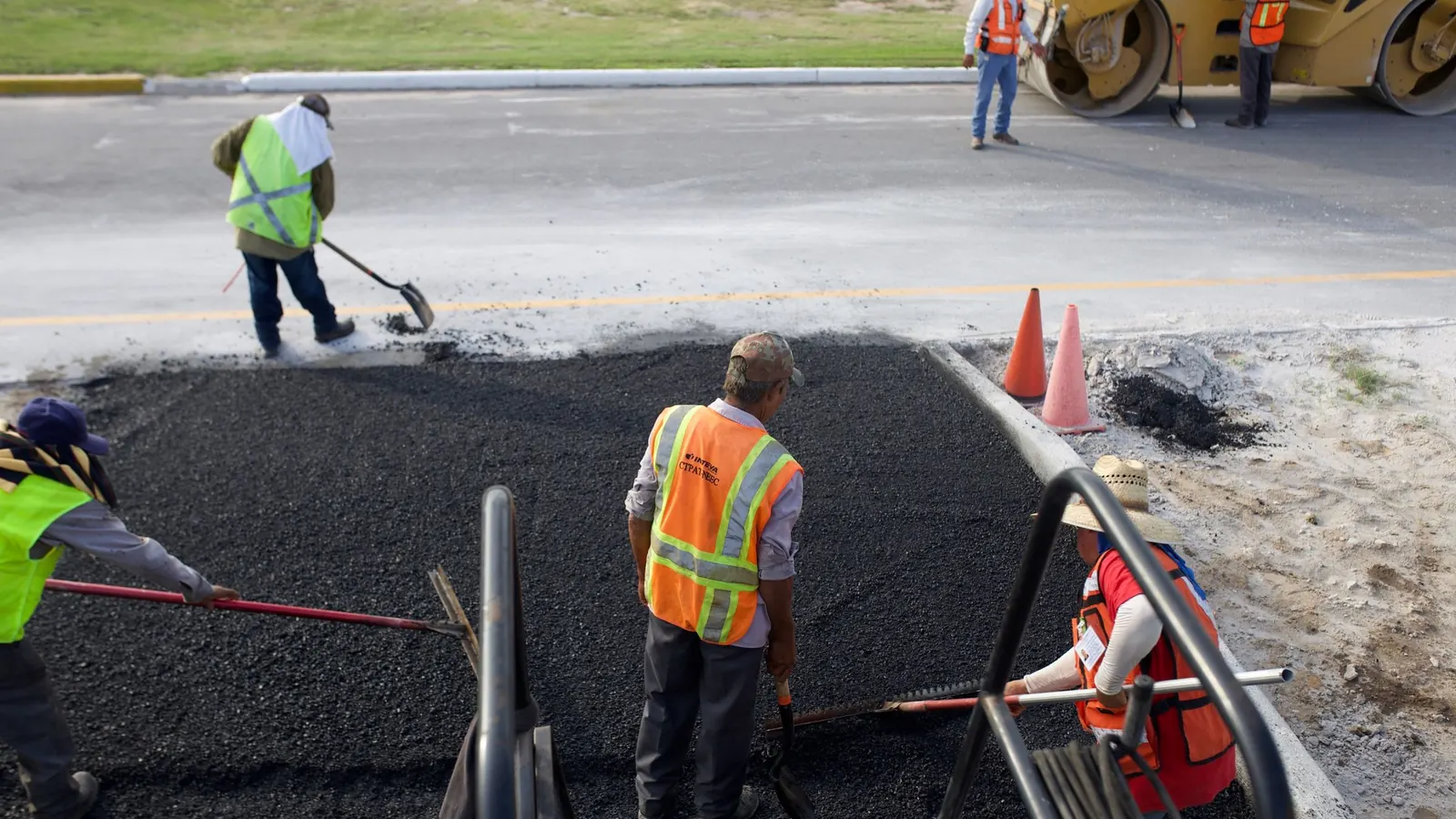
Javi's Construction paves and repairs asphalt across the greater Chicagoland area: new residential driveways and parking pads, full-depth replacement where the existing surface is beyond patching, mill-and-overlay resurfacing that gives a structurally sound base a new wearing course, private roadways and access drives, and targeted repair work — patching, edge rebuilding, and saw-cut removal and replacement of failed sections. Base prep, grading, and compaction get the same attention as the mat itself, because those are what actually determine whether you are calling someone back in four years.
Asphalt services
- New asphalt drivewaysResidential drives and parking pads paved from sub-grade up, graded to drain and compacted properly.
- Full-depth replacementRemoval of a failed surface and its base, then rebuilding both — the answer when an overlay would just fail again.
- Resurfacing and overlaysA new wearing course over a base that is still structurally sound, including milling at transitions so levels stay right.
- Patching and pothole repairSaw-cut, square, full-depth patches that bond to the surrounding surface rather than throw-and-go fills.
- Private roads and access drivesLonger runs for associations, farms, commercial sites, and multi-unit properties.
- Grading and drainage correctionRe-establishing pitch so water leaves the surface instead of sitting on it and working into the base.
- Base preparationExcavation, geotextile where the sub-grade is poor, and compacted aggregate base to the depth the use requires.
- Edges, aprons, and tie-insClean transitions to the street, garage aprons, and supported edges that do not crumble away.
How it works
Our asphalt paving process
- 01
Assess the surface and the base
Cracking pattern tells you a lot. Alligator cracking means base failure and an overlay would be money wasted; surface cracking on a firm base means resurfacing is genuinely the right call.
- 02
Excavate and prepare the sub-grade
Remove the old surface and any unsuitable material, then shape and compact the sub-grade to the grades we want, including the fall for drainage.
- 03
Lay and compact the aggregate base
Stone base placed to depth and compacted in lifts. This is the layer that carries the load — the asphalt on top is the wearing surface.
- 04
Pave the asphalt
Hot mix laid with a paver to consistent depth, with binder and surface courses where the job specifies both, and hand work at edges and tie-ins.
- 05
Compact while it is hot
Rolled to density in the working window. Compaction is what gives asphalt its strength and its water resistance, and there is no second chance at it once the mat cools.
- 06
Cure and hand over
Clear guidance on when to drive on it, when to park heavy vehicles or turn wheels while stationary, and when it will be ready to sealcoat.
Why it matters
Why asphalt, done this way
Flexes with the freeze
Asphalt moves with seasonal ground movement instead of cracking against it, which suits this region's clay soils.
Fast to install and use
A driveway paved today is typically usable in days, not weeks — a real advantage over a concrete pour.
Resurfaceable
Look after the base and you can renew the wearing course years later for far less than a full replacement.
Water gets off it
Correct pitch is not a detail — standing water is the single fastest way to destroy an asphalt surface from underneath.
Asphalt Paving
Questions we get asked
Usually within a day or two once the mat has cooled and set, but new asphalt stays soft for weeks in warm weather. Avoid parking in the same spot for long periods, turning your wheels while stopped, and putting jack stands or trailer jacks down without a board under them during the first season.
It comes down to whether the base is still good. Widespread alligator cracking, potholes that return in the same place, and areas that sink after rain all point to base failure, and an overlay over that will crack through within a couple of seasons. Surface-level cracking and fading on a firm, well-drained base is exactly what resurfacing is for. We will tell you which you have and why.
Asphalt costs less up front, goes in quickly, flexes with ground movement, and can be resurfaced — but it wants sealcoating every few years. Concrete costs more initially, lasts longer with less routine maintenance, and offers decorative finishes, but it is less forgiving of ground movement and harder to repair invisibly. We do both, so you will get an answer based on your site rather than on what we would rather install.
Not immediately. Fresh asphalt needs a season to cure and release its oils before a sealer will bond properly — sealing too early traps them and softens the surface. We will give you a date to work to and can come back and do it then.
Free Estimates
Get a free asphalt paving estimate
Call or text (213) 779-2889 and describe the job. We will come out, look at it properly, and give you a number — free, with nothing attached to it.
Other Services
What else we can take on while we are there
These are the jobs that most often come up alongside this one.
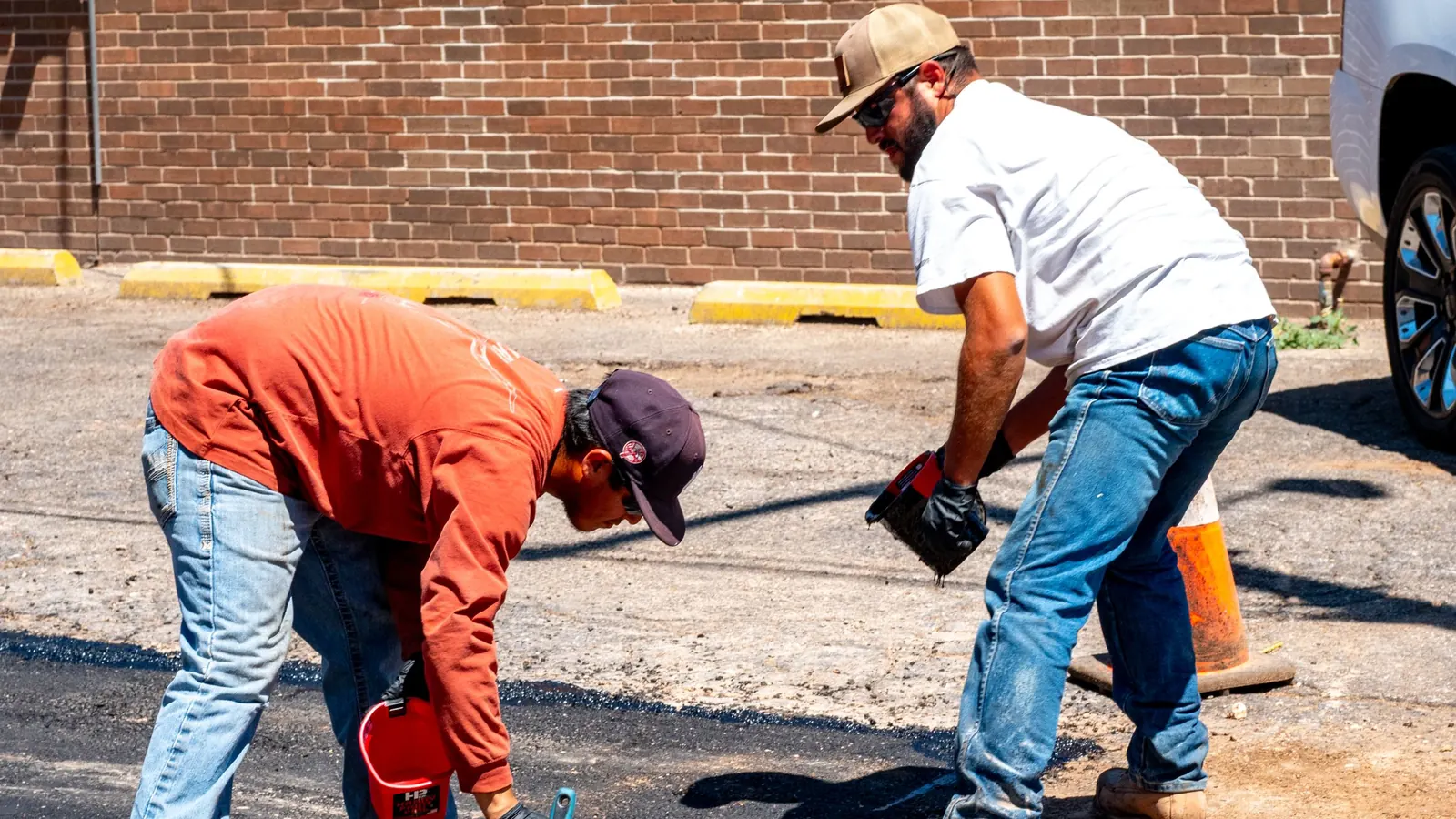
Parking Lot Revamps
Repaving, crack fill, pothole repair, sealcoating, and restriping — the whole lot, one crew.
View details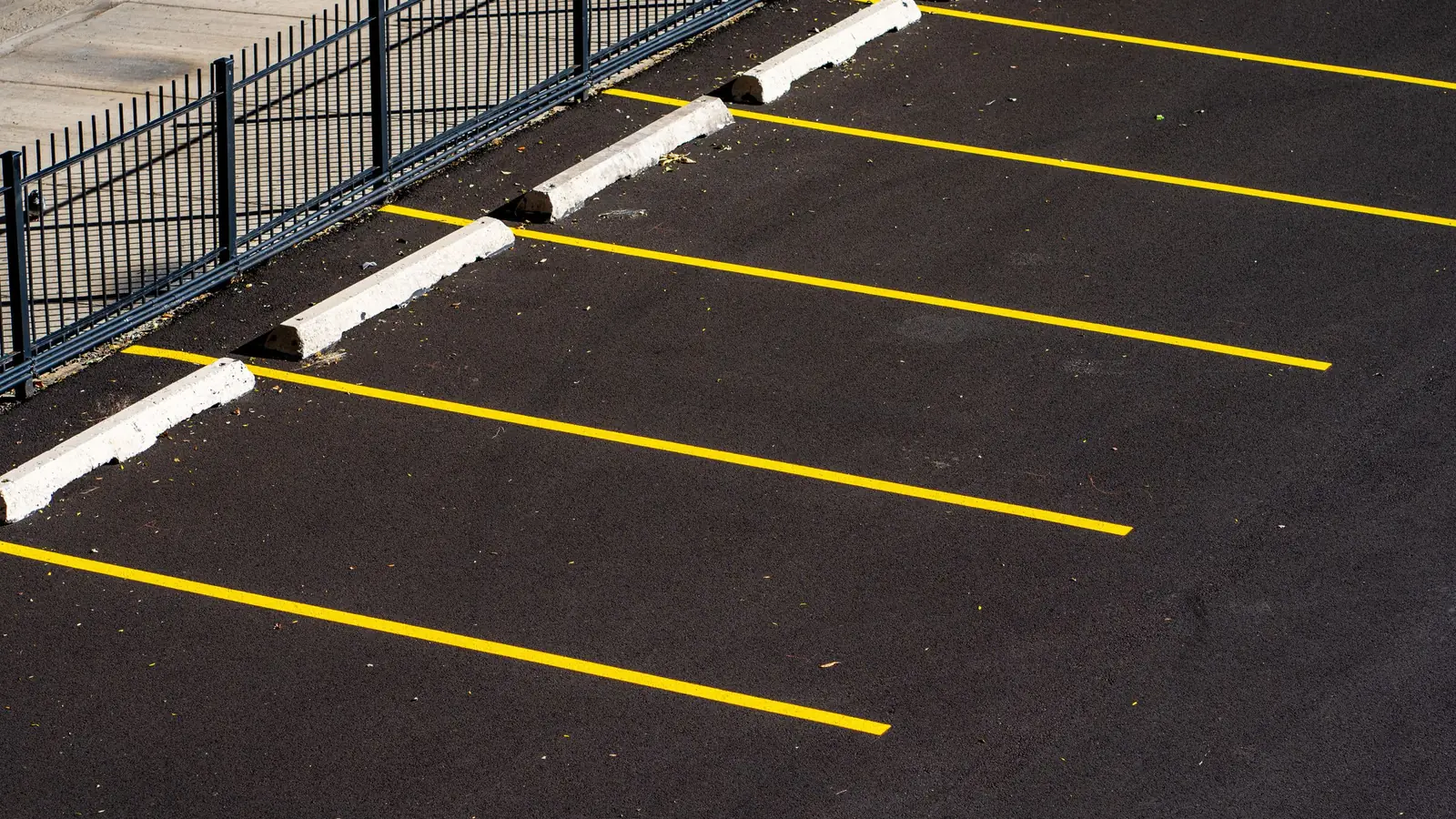
Line Striping & Pavement Marking
Stalls, ADA spaces, fire lanes, arrows, stencils, and curb painting — fresh layouts or restripes.
View details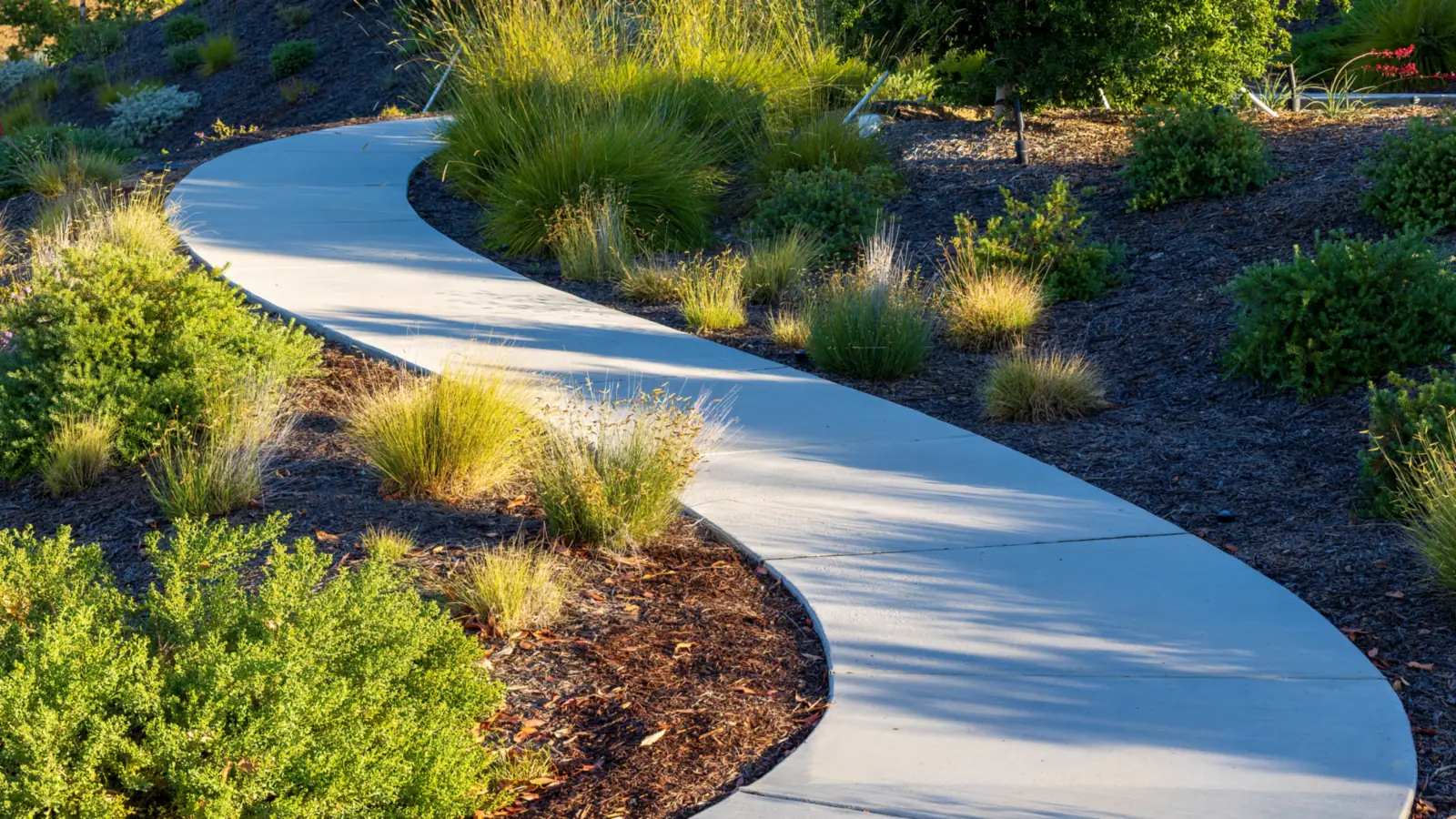
Concrete Walkways & Sidewalks
New walkways and sidewalks, plus replacement of cracked, heaved, or settled slabs.
View details