Specialty
Epoxy Floor Coatings in Chicagoland
Seamless, hard-wearing resin floors for garages, basements, warehouses, and showrooms — with the surface prep that decides whether they stay down.
An epoxy floor lives or dies on preparation. The coating itself is genuinely tough — seamless, chemical-resistant, easy to sweep and mop, and far more pleasant to look at than bare concrete — but it can only ever be as well attached as the surface underneath it. Concrete that has not been mechanically ground or shot-blasted, that still has an old sealer or a curing compound on it, or that is pushing moisture vapor up from below will reject a coating no matter how good the resin is. That is why garage floor kits peel in sheets after a couple of winters: not a bad product, just a floor that was rolled over a swept slab.
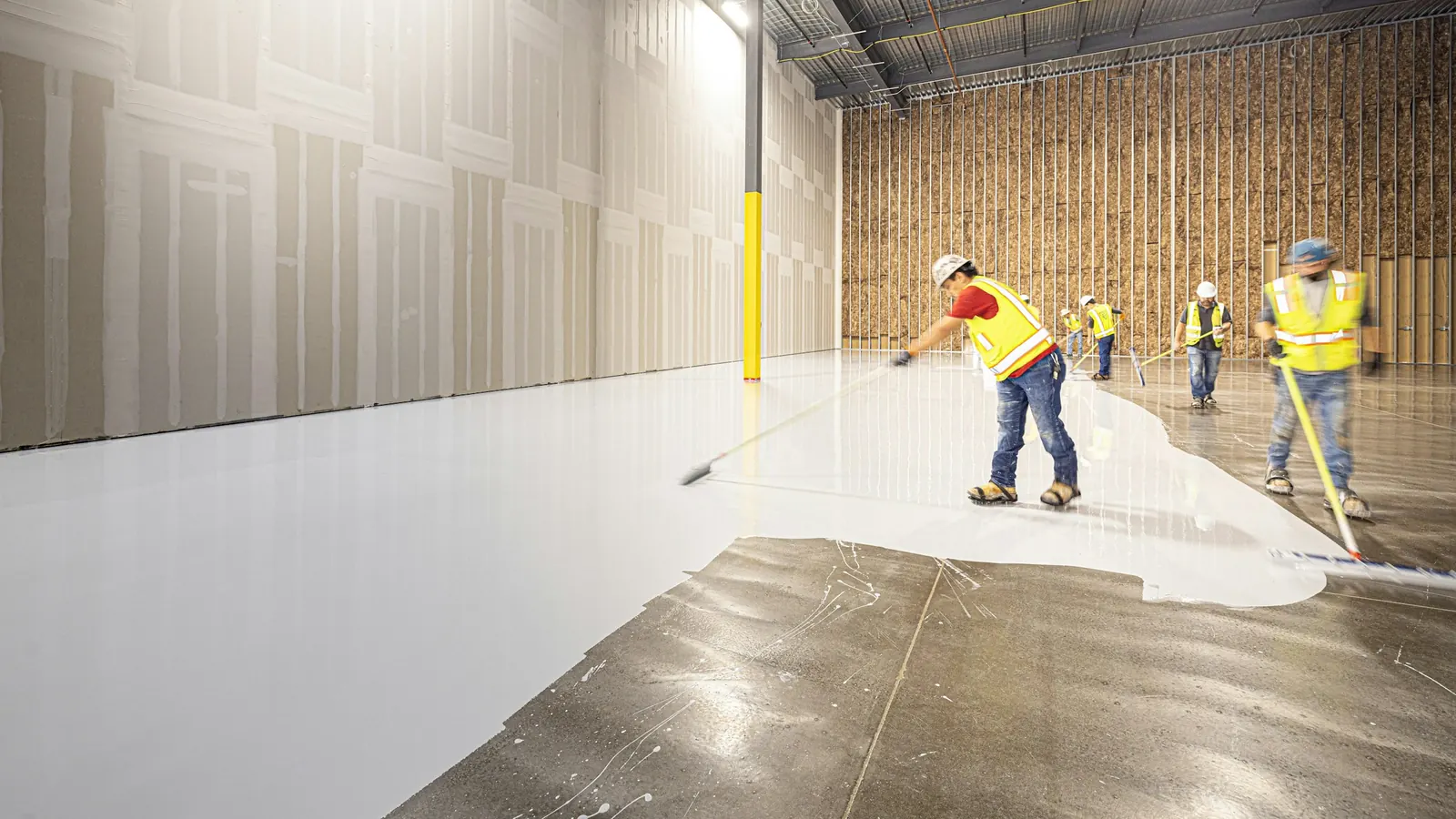
We install epoxy and resinous coatings across the greater Chicagoland area for residential garages and basements, and for commercial and industrial floors — warehouses, workshops, showrooms, and back-of-house areas. Every job starts with mechanical profiling of the concrete, repair of cracks, spalls, and pitting, and a moisture check on the slab. Then the system goes down: a straightforward solid color, a broadcast flake finish that hides dirt and adds grip, a metallic finish for a showroom or a feature space, or a high-build industrial coating where forklifts and chemicals are the daily reality. Garages in this climate get particular attention at the door threshold, where road salt and freeze-thaw do their worst.
Coating systems and prep
- Mechanical surface preparationDiamond grinding or shot blasting to an appropriate profile — never an acid wash and a mop.
- Concrete repairCracks routed and filled, spalls and pitting patched, and joints treated so they do not telegraph through.
- Moisture testingChecking the slab against the system's moisture limits before anything is mixed, and using a vapor-barrier primer where it is needed.
- Solid color epoxyA clean, uniform finish — the straightforward choice for a garage, a basement, or a utility space.
- Flake broadcast systemsVinyl flake broadcast into the base coat and sealed, adding texture and grip and hiding dust and tire marks.
- Metallic and decorative finishesPigmented metallic systems for showrooms, retail, and feature spaces where the floor is meant to be noticed.
- Industrial high-build coatingsThicker systems for warehouse and workshop floors that take forklift traffic, impact, and chemical spills.
- Topcoats, grip, and line markingPolyurethane or polyaspartic topcoats for UV and abrasion resistance, anti-slip additives, and marked traffic or safety zones.
How it works
How an epoxy floor goes down
- 01
Assess the slab
Age, condition, existing coatings or sealers, cracking, and moisture. This is also where we tell you if the floor needs repair or replacement before coating rather than after.
- 02
Clear and protect
Space emptied, walls and fixtures masked, and containment set up so grinding dust stays in the room it belongs in.
- 03
Grind and repair
Mechanically profile the whole floor, then fill cracks, spalls, and pits and re-grind flush. The floor is vacuumed clean before priming.
- 04
Prime and build
Primer keyed into the open profile, then the base coat — with flake broadcast into it while wet, if that is the system you have chosen.
- 05
Topcoat and cure
Scraped back where needed, then sealed with the topcoat. You get clear timings for foot traffic, vehicle traffic, and full chemical cure — they are not the same day.
Why it matters
Why an epoxy floor
Built for salt season
A sealed, seamless surface stops brine and meltwater soaking into the slab all winter — the main thing that destroys a bare Chicago garage floor.
Genuinely easy to clean
No open pores for oil and dust to sit in. Most of the year it is a broom and a mop.
Brighter working space
A light-reflective floor makes a noticeable difference to how well lit a garage, basement, or warehouse feels.
Prepped to stay down
Mechanical profiling and a moisture check are the difference between a floor that lasts and one that peels in two winters.
Epoxy Floor Coatings
Questions we get asked
A typical residential garage is usually a multi-day job: prep and repair, then coats with cure time between them. You can normally walk on it before you can drive on it, and full chemical cure takes longer again. We give you the actual dates for your floor and your system rather than a brochure figure.
That is almost always a preparation failure rather than a product one. Consumer kits are rolled onto a swept or acid-etched slab, which does not give the resin a mechanical key, and they rarely account for moisture coming up through the concrete. Diamond grinding or shot blasting, proper crack repair, and a moisture check before priming are what change the outcome.
Yes — but in a basement the moisture question comes first. If the slab is passing vapor or the basement takes on water, a coating will lift no matter how well it is applied. We test before we quote, and if the honest answer is that you need drainage or waterproofing first, that is what we will tell you.
A plain gloss topcoat can be, which is why we normally recommend a flake broadcast or an anti-slip additive in the topcoat for garages, entries, and any commercial floor that gets wet. It is a choice you make up front, and it costs very little to include.
Free Estimates
Get a free epoxy floor coatings estimate
Call or text (213) 779-2889 and describe the job. We will come out, look at it properly, and give you a number — free, with nothing attached to it.
Other Services
What else we can take on while we are there
These are the jobs that most often come up alongside this one.
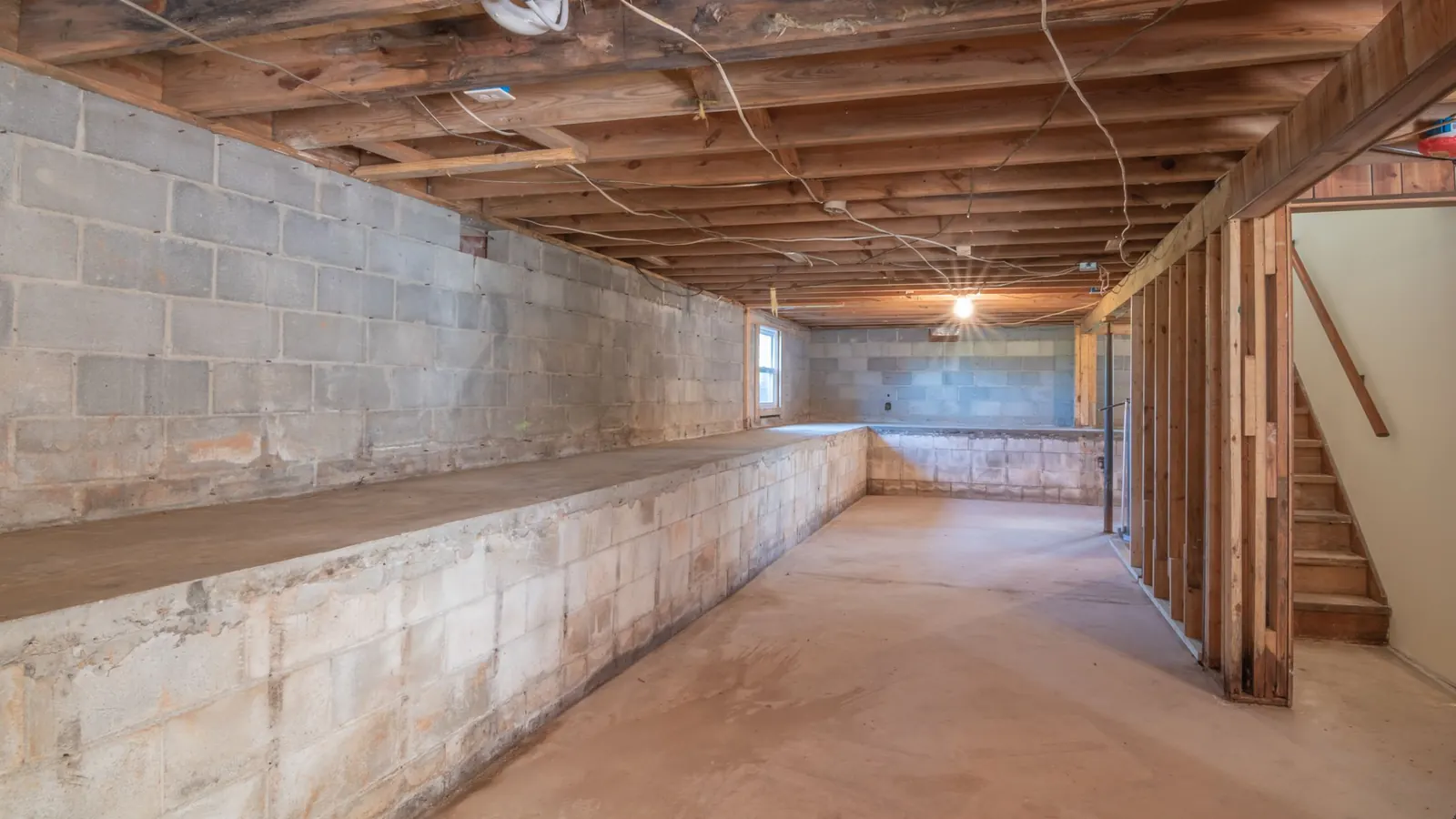
Basement Concrete & Floors
Basement slabs, pours, leveling, and repair — and the drainage detail underneath them.
View details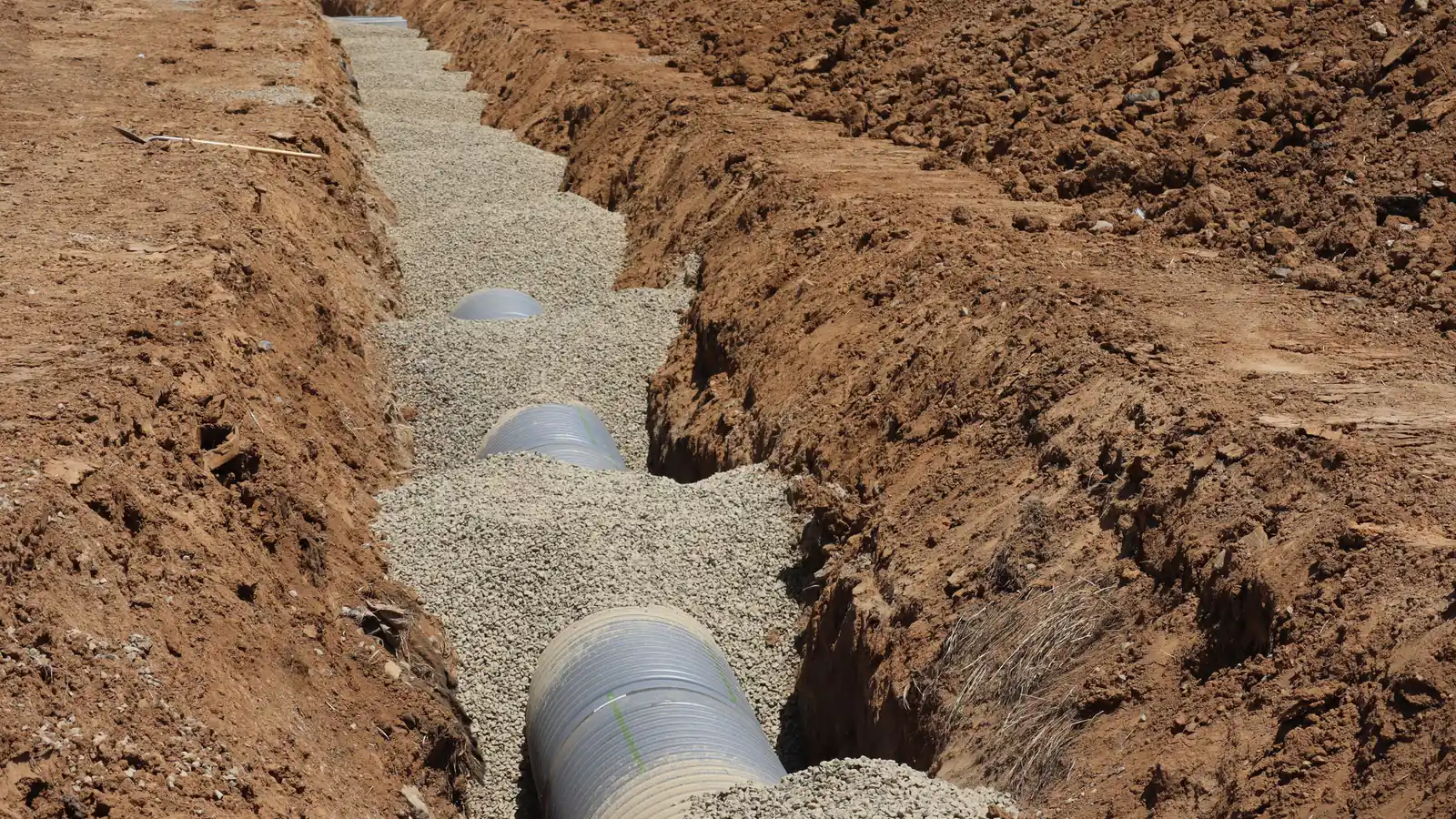
Waterproofing
Basement and foundation waterproofing, sealing, drainage, and moisture control.
View details
Line Striping & Pavement Marking
Stalls, ADA spaces, fire lanes, arrows, stencils, and curb painting — fresh layouts or restripes.
View details