Specialty
Snow Removal & Plowing in Chicagoland
Plowing, hand-clearing, and de-icing for driveways, walks, and commercial lots — scoped around your property before the first storm lands.
Snow in Chicagoland is rarely one tidy event. It arrives overnight, it arrives through a working day, it arrives as four inches of wet slush that freezes solid by morning, and the street plow comes through afterwards and pushes a berm back across the apron you just cleared. For a homeowner that is an inconvenience. For a commercial property it is a closed lot, an entrance nobody will walk through, an accessible stall nobody can use, and a slip-and-fall exposure that lasts as long as the ice does.
We clear snow and ice across the greater Chicagoland area — residential driveways, aprons, and walks, and commercial, retail, industrial, and multi-unit parking lots. That means plowing the drive lanes and stalls, clearing by hand the walks, steps, and entrances a blade cannot reach, treating the cleared surface so meltwater does not refreeze overnight, and deciding in advance where the piles are going to sit. It is also work we come to from the other side: we spend the rest of the year laying and repairing the asphalt, concrete, and striping that a careless plow blade destroys, which is a useful thing to have in mind at four in the morning.
What snow removal covers
- Driveway and apron plowingResidential drives, aprons, and turnarounds cleared back to the pavement, including the berm the street plow leaves behind.
- Parking lot plowingCommercial, retail, industrial, and multi-unit lots cleared aisle by aisle so the stalls stay usable, not just the through route.
- Walks, steps, and entrancesHand-clearing of sidewalks, building entries, steps, and landings — everything a plow truck physically cannot get to.
- De-icing and saltingMaterial down on a cleared surface so a thaw-and-freeze cycle does not turn it into a sheet of black ice overnight.
- Snow stacking and relocationPile locations planned with you — clear of stalls, hydrants, drains, and the sight lines at your exit — and moved when the site runs out of room.
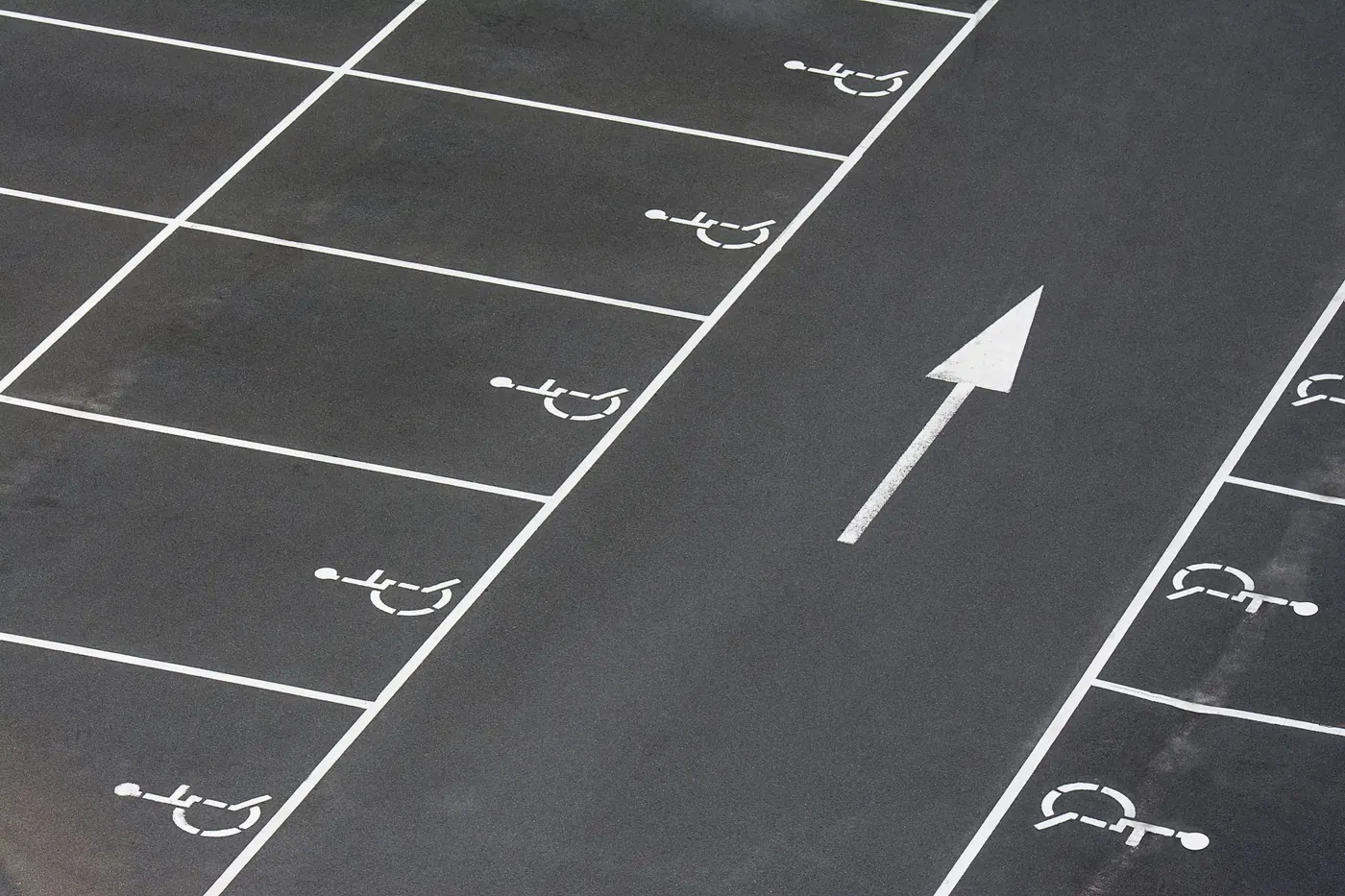
- Accessible stalls and fire lanesAccessible spaces, access aisles, and marked fire lanes kept clear, because a lot plowed around them is a lot that is not compliant.
- Drains and catch basins uncoveredFinding the drains under the snow so that when it does thaw the water leaves instead of pooling and refreezing across the lot.
- Pavement-aware plowingBlade height and plow routes set to the surface — new asphalt, sealcoated lots, concrete lips, curb edges, and wheel stops all damage differently.
How it works
How a snow job runs
- 01
Walk the property in daylight
Before anything is under snow we map what matters: where the drains are, where the concrete meets the asphalt, where the curbs, bollards, and wheel stops sit, which doors have to stay open, and where a pile can go.
- 02
Agree the scope up front
How much snow brings us out, which areas are priority, whether walks and de-icing are in or out, and how you want to be contacted. Settled on paper, not at 5am during a storm.
- 03
Plan around the storm
Snow that falls overnight and snow that falls through a trading day are two different jobs. Clearing before opening, keeping a route open through the day, or coming back once the street plow has passed again — that is decided in advance.
- 04
Open the property first
Entrances and drive aisles, then stalls and the rest of the lot. The point is to get the property usable early rather than perfect late.
- 05
Clear what the blade cannot
Walks, steps, entries, hydrants, and the gaps behind wheel stops and bollards, by hand, so the route a person actually walks is the route that gets cleared.
- 06
Treat it and look at it
De-icing material onto a cleared surface, drains uncovered, piles checked for where they will drain to, and a look at anything likely to refreeze before the next visit.
Why it matters
Why it is worth arranging
The property stays open
A lot nobody can park in and an entrance nobody will cross is a day of trading lost, and it is lost to four inches of snow.
Less slip-and-fall exposure
Cleared and treated walks, entries, and accessible routes are exactly what a winter injury claim is argued over.
Plowed by people who build pavement
We lay and repair these surfaces the other three seasons, so we know what a dropped blade does to a concrete lip or a fresh sealcoat.
No April repair bill
Gouged asphalt, snapped curb edges, scraped-off striping, and salt-burned concrete are winter damage that arrives as a spring invoice.
Snow Removal
Questions we get asked
Both, and it is worth being specific when we scope the property. A truck can clear a driveway or a lot, but a walk, a set of steps, a building entrance, or the gap behind a wheel stop is hand work and has to be in the scope deliberately. Tell us which walks, doors, and routes have to be open and they go on the list.
De-icing goes hand in hand with clearing, and it gets priced as part of the scope rather than assumed either way. Two things worth knowing: salt works on a surface that has already been cleared — spread over packed snow it largely disappears into it — and de-icing salt does real damage to concrete that is less than a winter old, so a new walk, apron, or step needs a different approach. We will flag it if that applies to your property.
It can, and a good share of the pavement repair we are called out for in the spring was avoidable. A dropped blade gouges asphalt, catches the lip where a concrete walk meets a drive, clips curb edges and wheel stops, and scrapes striping off a lot. The way around it is knowing the property before it is buried — which is why we walk it in daylight and set the plow routes to what is actually under the snow.
Both arrangements are normal in this trade — a season set up in advance for a property that has to be open every morning, or a call-out for a single storm. Which one makes sense depends on the property and on what it costs you to be closed for a day. Tell us which you are after and we will price it that way.
Free Estimates
Get a free snow removal estimate
Call or text (213) 779-2889 and describe the job. We will come out, look at it properly, and give you a number — free, with nothing attached to it.
Other Services
What else we can take on while we are there
These are the jobs that most often come up alongside this one.
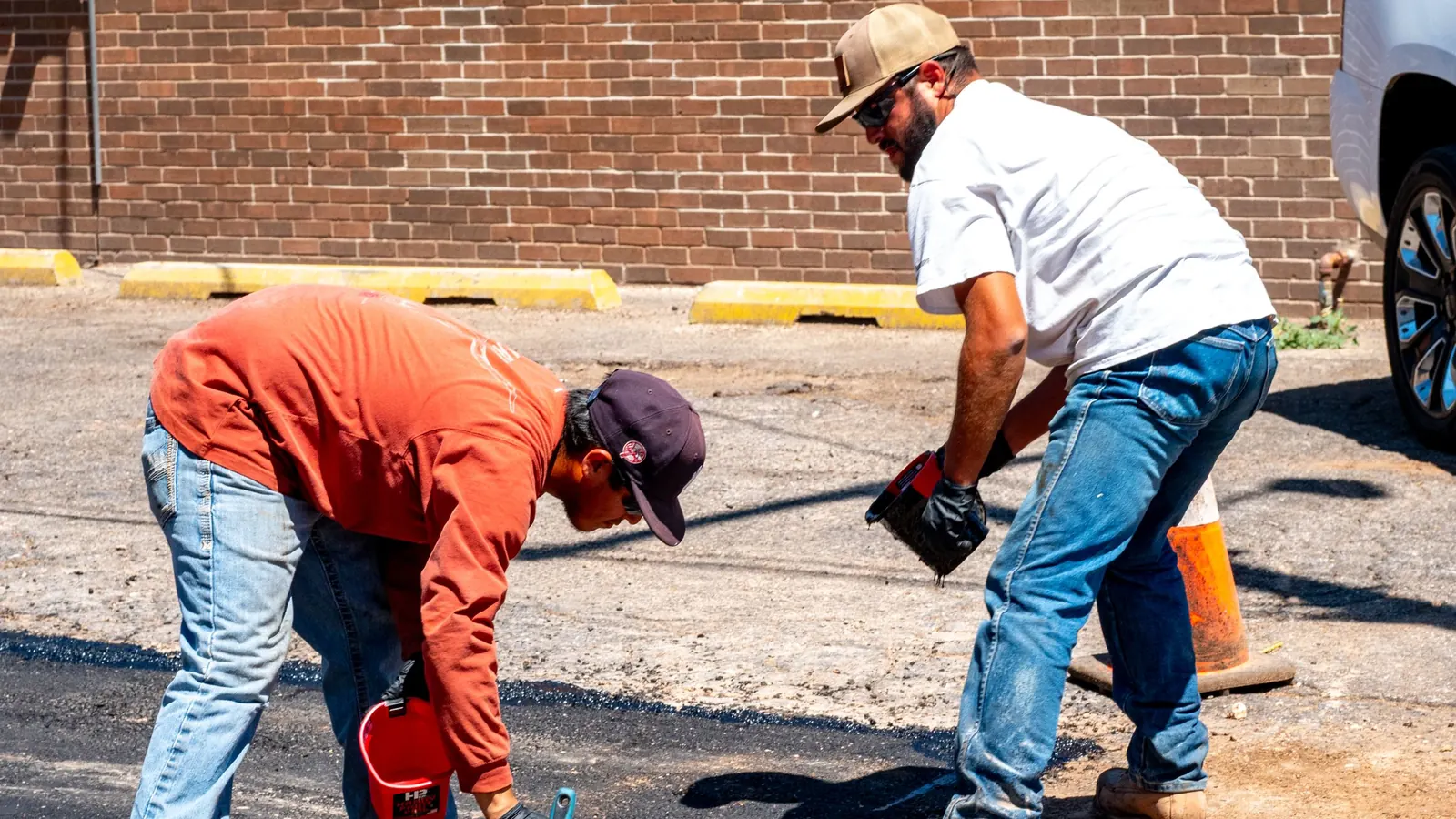
Parking Lot Revamps
Repaving, crack fill, pothole repair, sealcoating, and restriping — the whole lot, one crew.
View details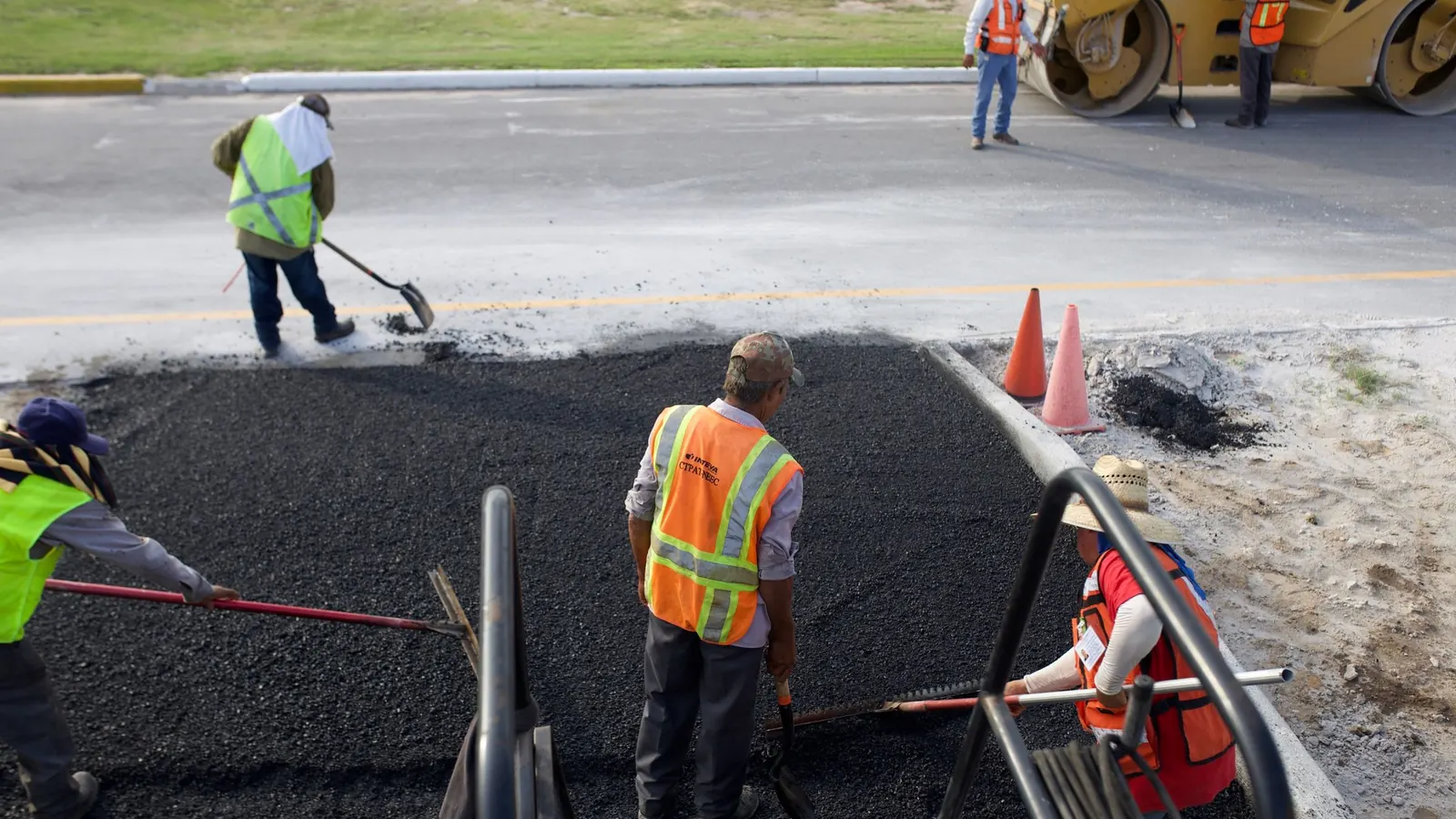
Asphalt Paving
New asphalt, resurfacing, and repair for driveways, lots, and private roadways.
View details
Line Striping & Pavement Marking
Stalls, ADA spaces, fire lanes, arrows, stencils, and curb painting — fresh layouts or restripes.
View details