Concrete
Basement Concrete & Floors in Chicagoland
New basement slabs, replacement floors, leveling and repair — with the stone, drainage, and vapor barrier underneath handled properly.
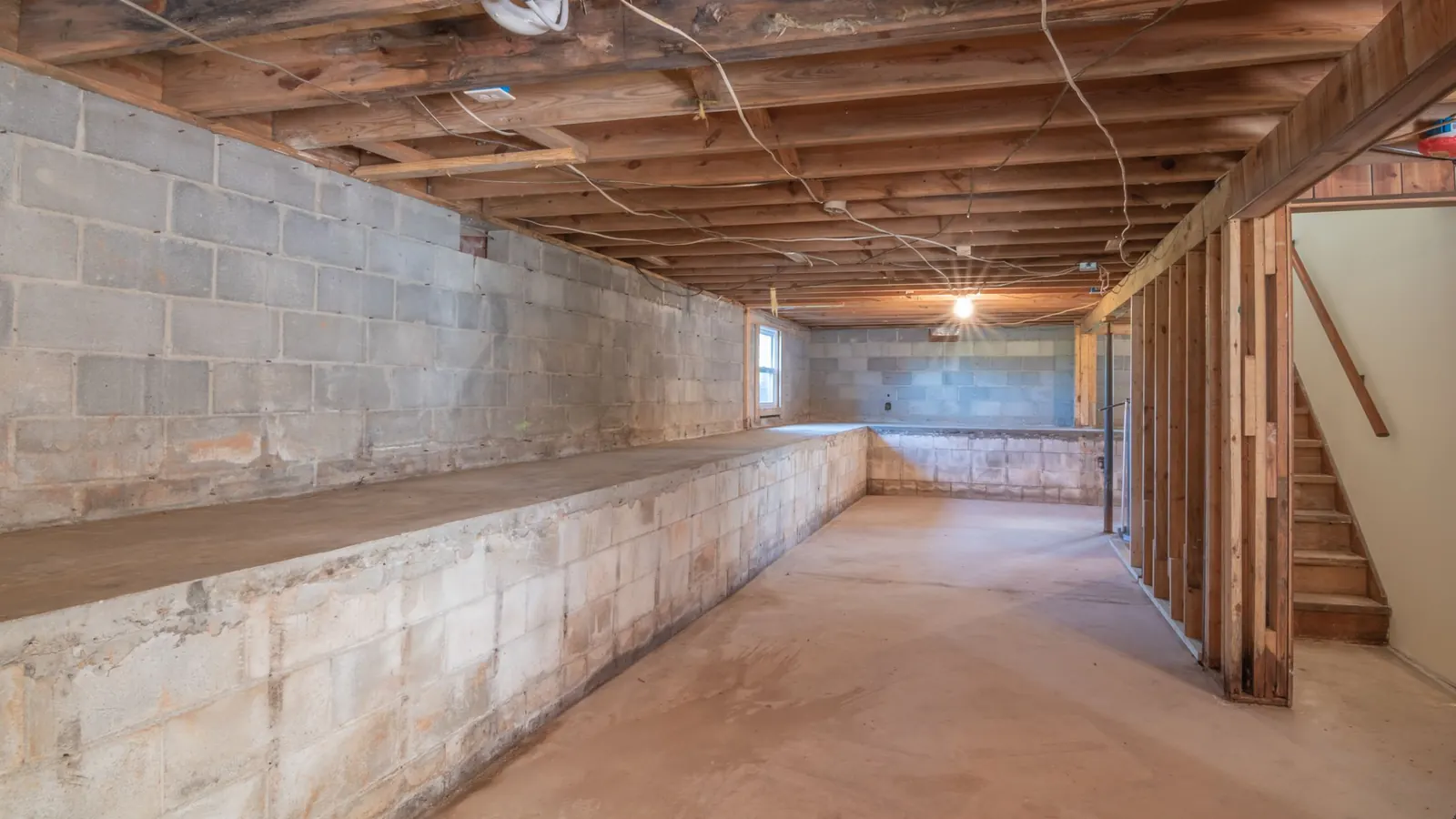
Chicago has more finished basements per block than almost anywhere in the country, and almost every problem in them starts at floor level. A basement slab is the flattest, lowest surface in the building, so it is where groundwater arrives first, where a cracked or missing vapor barrier shows up as damp flooring two years later, and where an out-of-level pour turns into a bathroom that will not drain or a rec room where nothing sits flush. It is also the layer that gets covered up by everything else, which makes it an expensive place to have cut a corner.
We pour and repair basement concrete across the greater Chicagoland area: new slabs in basements that never had one, full tear-out and replacement where the existing floor is cracked, heaved, or badly out of level, partial pours after a plumber has trenched for new lines, and leveling work to get a floor flat enough for tile, vinyl plank, or an epoxy coating. Because basement floors and water are the same conversation, this work pairs naturally with interior drainage and waterproofing — and where that is what your basement actually needs, we will say so rather than pouring a new floor over the real problem.
Basement concrete work we do
- New basement slabsFull floor pours over compacted stone and a vapor barrier, finished flat and to the elevations you need.
- Tear-out and replacementRemoving cracked, heaved, or badly settled floors and replacing them with a slab built on a proper base.
- Trench patches after plumbingClosing up trenches cut for new drain lines, ejector pits, or bathroom rough-ins, tied cleanly into the existing slab.
- Floor levelingGetting an uneven floor flat enough for tile, luxury vinyl plank, or an epoxy coating to sit right.
- Vapor barrier and stone baseClean stone for capillary break and drainage, with sheet vapor barrier lapped and sealed under the pour.
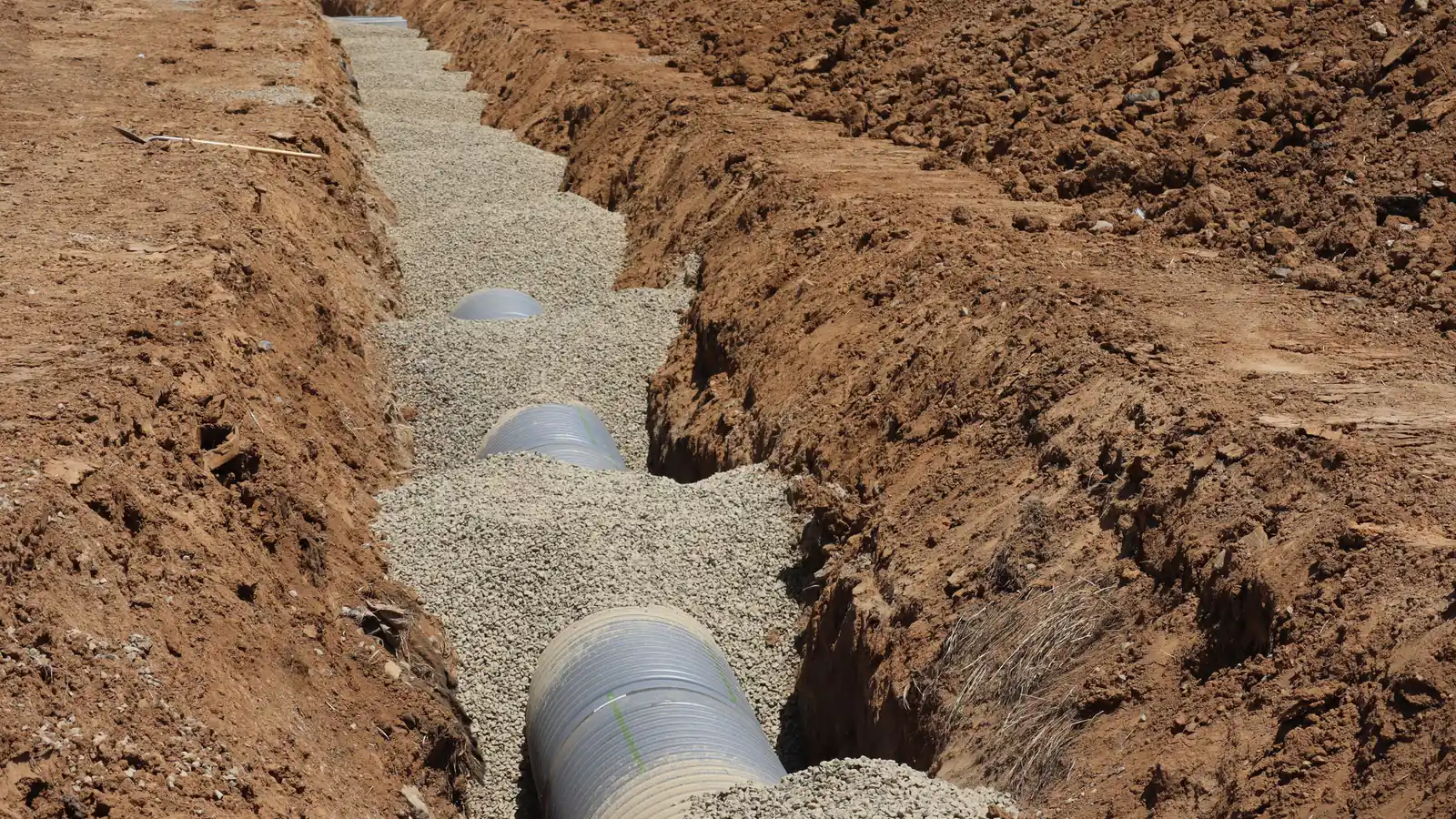
- Interior drain tile integrationPerimeter drain line, stone, and sump connection set in before the slab goes over it.
- Sump pits and ejector pitsPit set at the right elevation and the slab formed and finished around it.
- Crack and joint repairRouting and filling working cracks in a slab that is otherwise sound and worth keeping.
How it works
How a basement floor goes in
- 01
Find out where the water is going
Before anything else: is this floor cracked because of settlement, or because water is coming up under it? The answer changes the whole job, and it is worth an honest look.
- 02
Demo and dig out
Break up and remove the old slab, then excavate to the depth the new build-up needs. Debris goes out through a route we have agreed with you.
- 03
Stone, drainage, and vapor barrier
Compacted clean stone, perimeter drain tile and sump connection where the basement calls for it, then sheet vapor barrier lapped and sealed. This layer is the whole game in a basement.
- 04
Pour and finish flat
Concrete placed, screeded to elevation, floated, and hard-troweled to a flatness that suits whatever floor covering is going down.
- 05
Cure and clean
Controlled cure, joints cut where they belong, and the space left swept and ready for the next trade.
Why it matters
Why it is worth doing properly
A dry finished basement
Stone, drain tile, and a sealed vapor barrier under the slab are what keep moisture out of the flooring you put on top of it.
Flat enough to finish
Tile, plank, and epoxy all telegraph an uneven slab. Getting the concrete flat first is cheaper than fixing it afterwards.
Real living space
A sound, level, dry basement floor is what turns square footage you store boxes in into square footage you use.
One crew for floor and water
Drainage, waterproofing, slab, and an epoxy finish on top can all be handled by the same people, in the right order.
Basement Concrete & Floors
Questions we get asked
Often not. Hairline shrinkage cracks in an otherwise sound, level slab can be routed and filled. Replacement becomes the right call when the slab has heaved or settled, when cracks are actively moving or leaking, or when the floor is so far out of level that the finish you want cannot be laid over it. We will tell you which one you have.
We can, but pouring a new slab over an unresolved water problem just hides it for a season. If water is getting in, the right sequence is drainage and waterproofing first, then the slab over the top of it. That is more work up front and considerably less money over five years.
Yes, and a new slab is the ideal candidate — though fresh concrete has to cure and dry to the coating manufacturer's moisture requirement before anything goes down. We will build that wait into the schedule rather than coating it early and watching it lift.
Free Estimates
Get a free basement concrete & floors estimate
Call or text (213) 779-2889 and describe the job. We will come out, look at it properly, and give you a number — free, with nothing attached to it.
Other Services
What else we can take on while we are there
These are the jobs that most often come up alongside this one.
Waterproofing
Basement and foundation waterproofing, sealing, drainage, and moisture control.
View details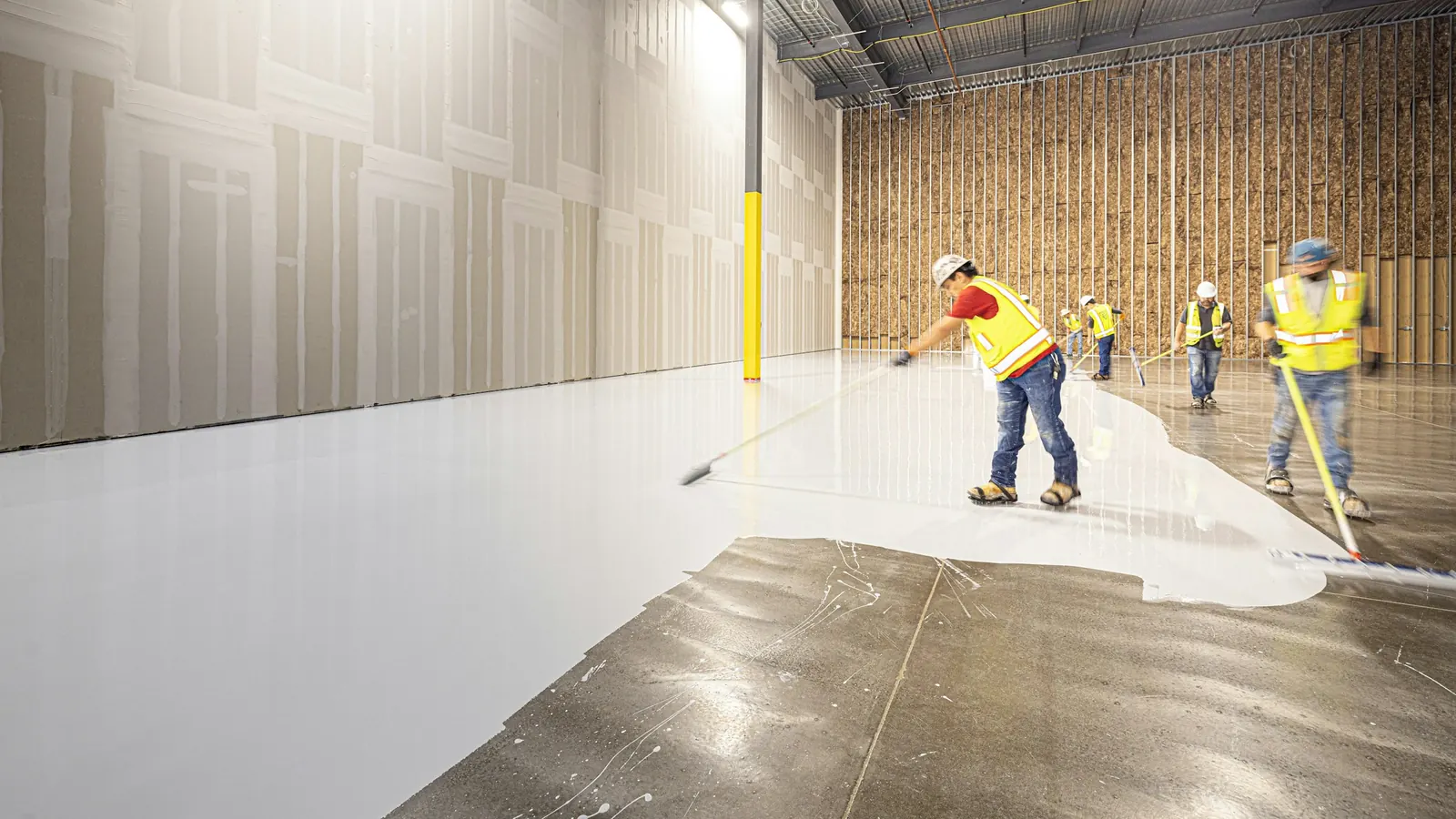
Epoxy Floor Coatings
Seamless epoxy and resinous coatings for garages, basements, warehouses, and showrooms.
View details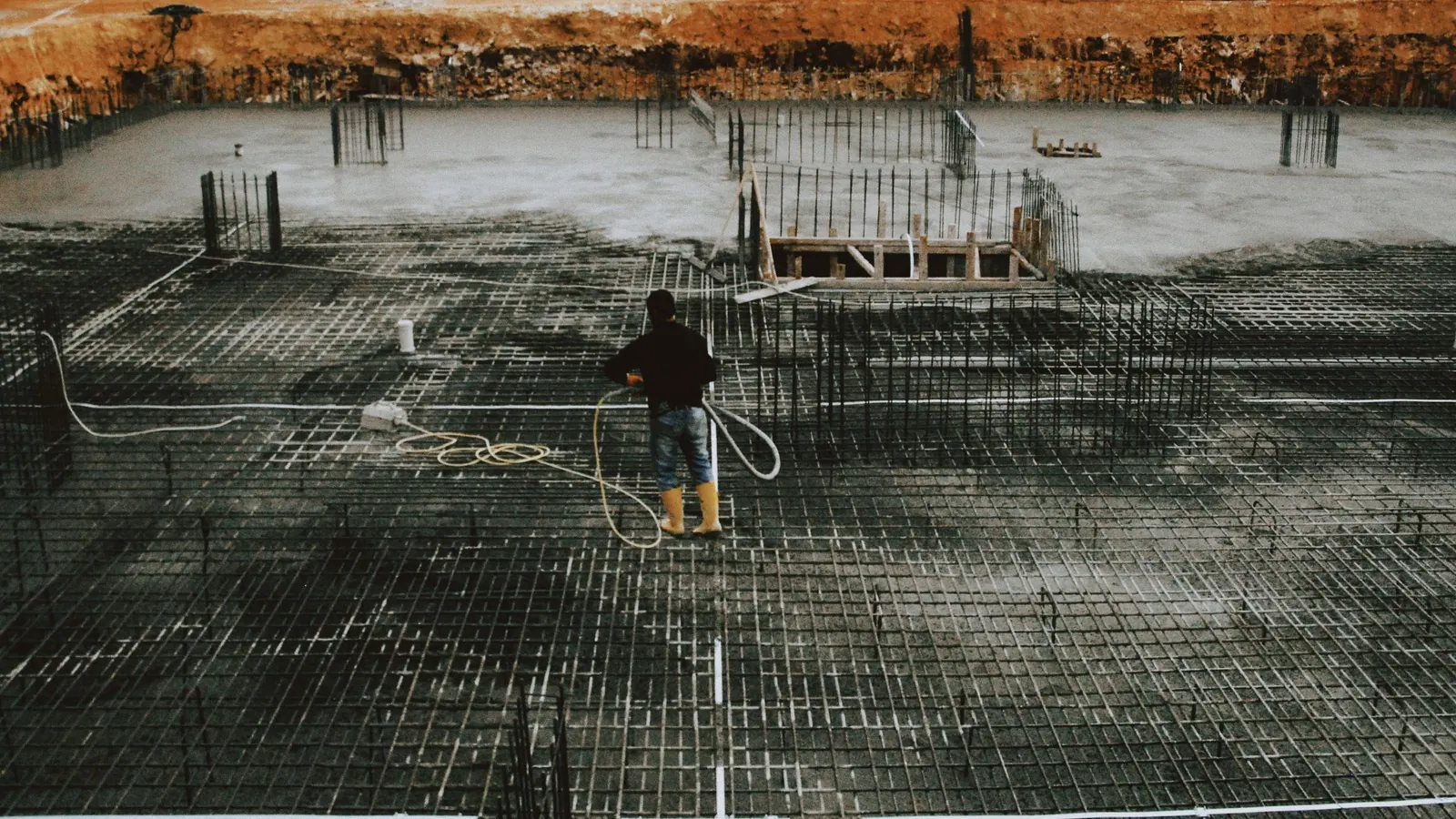
Concrete Foundations
Poured foundations and footings for homes, additions, garages, sheds, and new builds.
View details